







 Chat
Chat
 Challenge
Motivation Gaps
Energy Drives Performance. Design Drives Energy.

21–23%
Only ~21–23% of employees are engaged and motivated at work meaning most are operating below potential.
More
Motivation depends more on leadership and job design than perks alone.
Majority
High stress affects motivation and productivity for the majority of workers.

Sustainable motivation is engineered not demanded.
- Purpose Drift
- Goal Ambiguity
- Recognition Deficit
- Autonomy Restriction
- Reward Misalignment
- Energy Imbalance

Inconsistent energy creates inconsistent results.
Motivation Doesn’t Disappear. Systems Drain It.
[ Future AI Video Integration ]
Click to watch expert analysis

Low Motivation Is a Signal Not a Personality Trait

When Energy Drops, Performance Soon Follows
Motivation Is Not Managed. It Is Designed

Before asking people to work harder, examine the system they work in
Organizations Don’t Lose Motivation Overnight They Design It Away
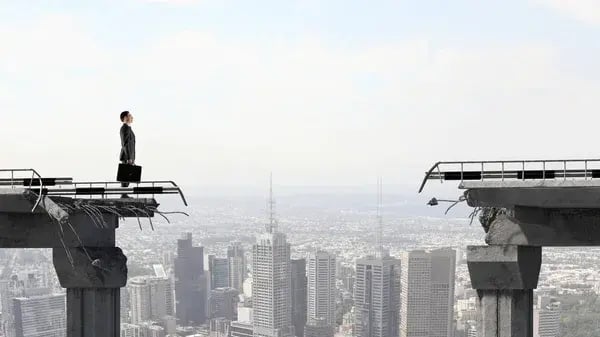
You can’t demand motivation from a system that destroys it
 Motivation Assessment
Workplace Motivation Assessment
Answer 5 questions to discover how your organization supports sustainable motivation.
Question 1/5
00% Complete
Purpose & Clarity-Do employees clearly understand how their work contributes to strategic priorities and meaningful outcomes?
Autonomy & Ownership-How much decision-making authority do employees have over their work?
Recognition & Rewards-Do incentive systems meaningfully reward initiative, collaboration, and contribution?
Feedback & Coaching-How consistent and developmental is performance feedback?
Sustainable Energy-How balanced is workload and stress across teams?


8
/25
(32%)
Medium Risk
Emerging Capability
Pilot-Stage Organization
Key Risks to Consider
- xxxx
- xxxx
- xxxx
Do We Have a Motivation Problem Or a Design Problem?
Ask your AI this:
Act as an organizational performance and leadership design advisor. I want you to assess whether motivation gaps in our organization are caused by individual performance issues or structural design flaws. Highlight warning signs that motivation gaps are becoming systemic.
Copy Prompt to Clipboard
Low motivation is rarely a people problem,
it’s usually a system signal.
Potential Root Causes

Lack of Clear Purpose & Line of Sight
Misaligned Incentive & Reward Systems
Limited Autonomy & Ownership
Weak or Inconsistent Feedback Culture
Perceived Inequity & Fairness Gaps
Chronic Overload or Energy Imbalance
If you are serious about the truth, ask yourself:

- 1 If pressure disappeared tomorrow, would people still care about the outcome?
- 2 Do employees clearly understand why their work matters or only what they must do?
- 3 Are our leaders creating ownership or controlling every decision?
- 4 What behaviors do our incentive systems actually reward?
- 5 When motivation drops, do we question employees or the system around them?
- 6 Is exhaustion being mistaken for lack of motivation?


The Motivation Gap
Why Energy Declines and How Leaders Can Redesign the System That Drives Performance
Ready to take action?
Contact us for more information and to request a demo
-
Customer Support
24/7 support line
-
 Response Time
Average 2 hours
Response Time
Average 2 hours
-
 Expert Team
15+ years of experience
Expert Team
15+ years of experience