







 WhatsApp
Our Story
We didn't start with training. We started with a question.
Why do organizations — full of capable people, mature systems and ample resources — still struggle to transform?

Too See The Answer
Keep Scroll
Keep Scroll
The reality inside organizations
1
Strategy without execution
Strategy without execution
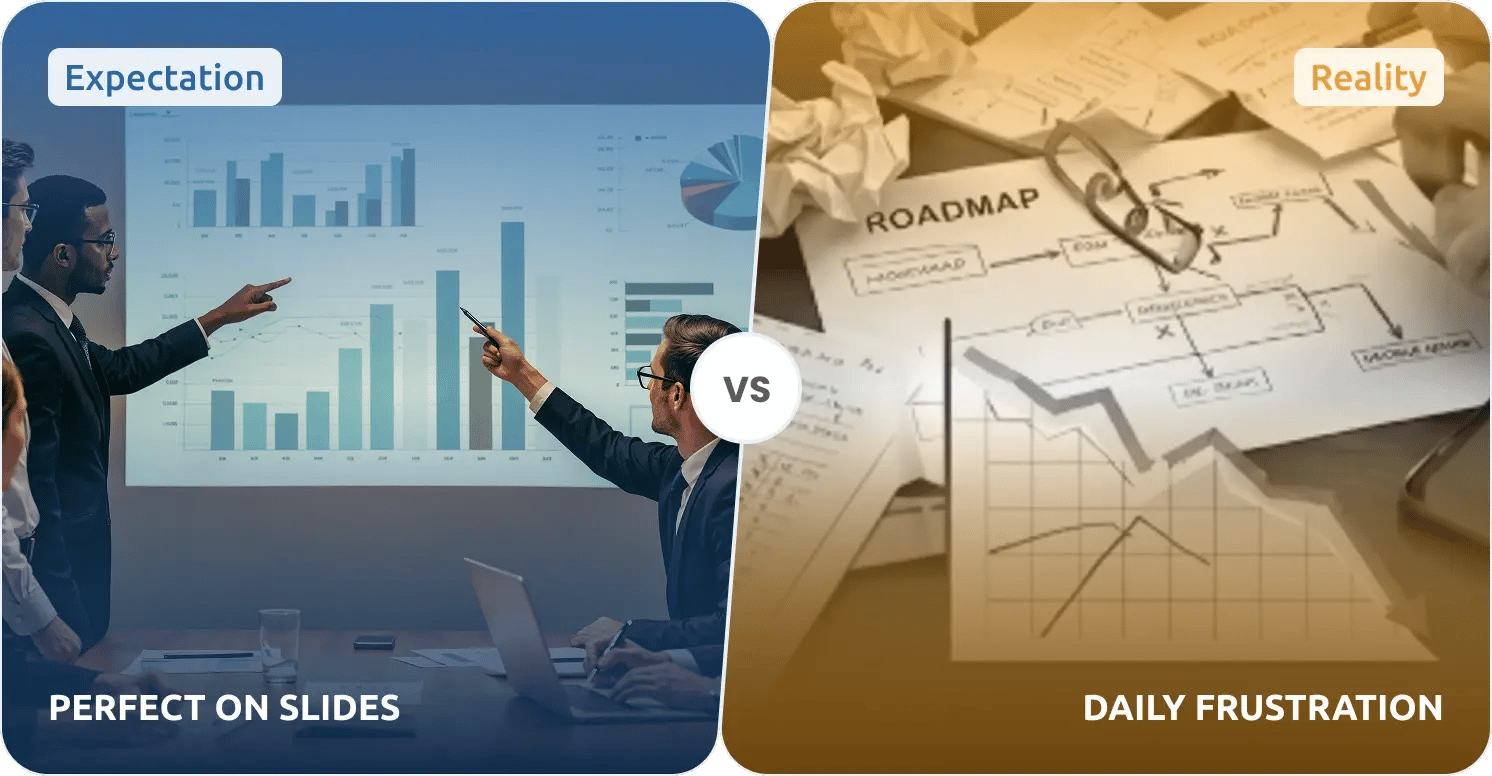
Visionary plans are worthless without cultural buy-in.
2
Systems without adoption
Systems without adoption
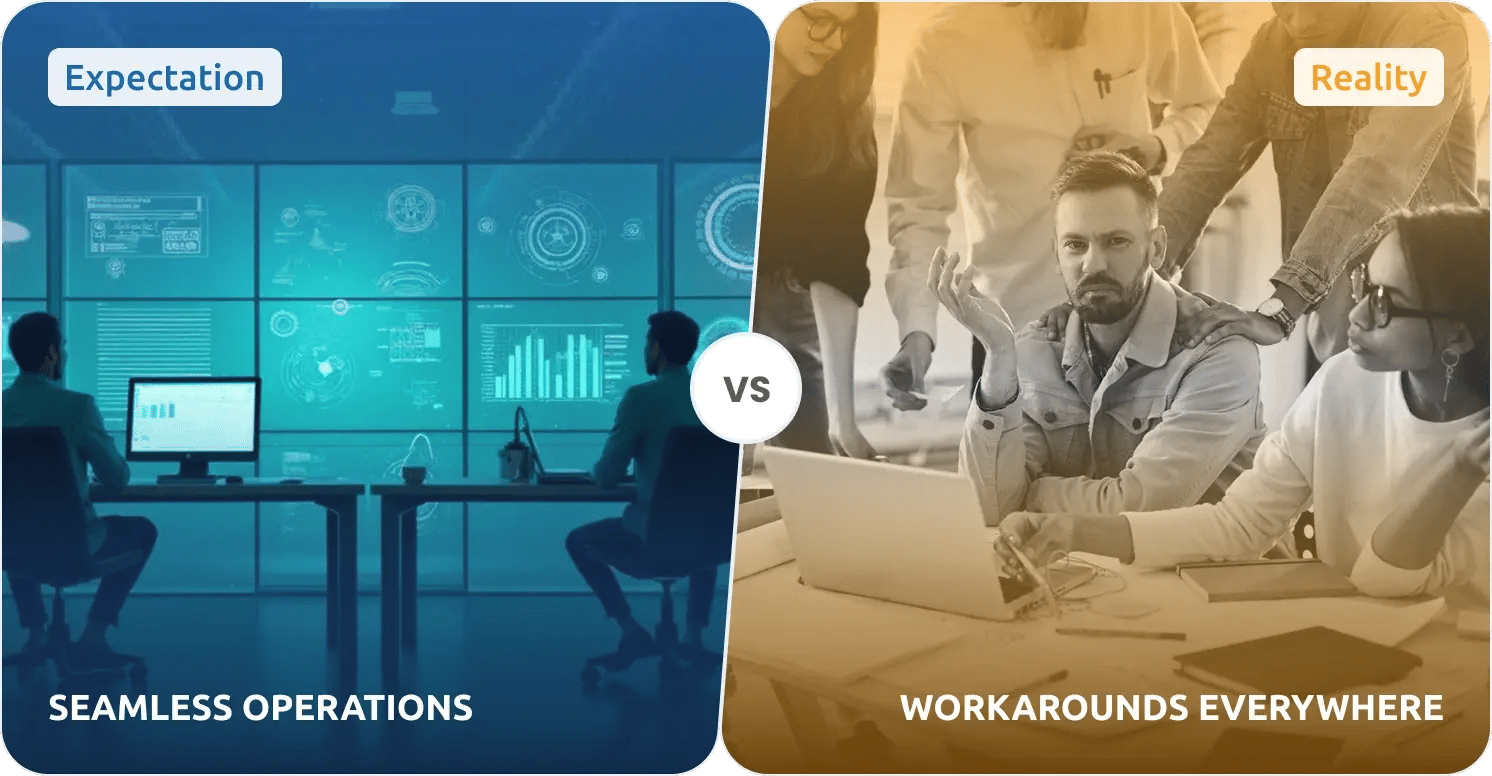
Processes fail when people don’t see value in using them.
3
Talent without alignment
Talent without alignment
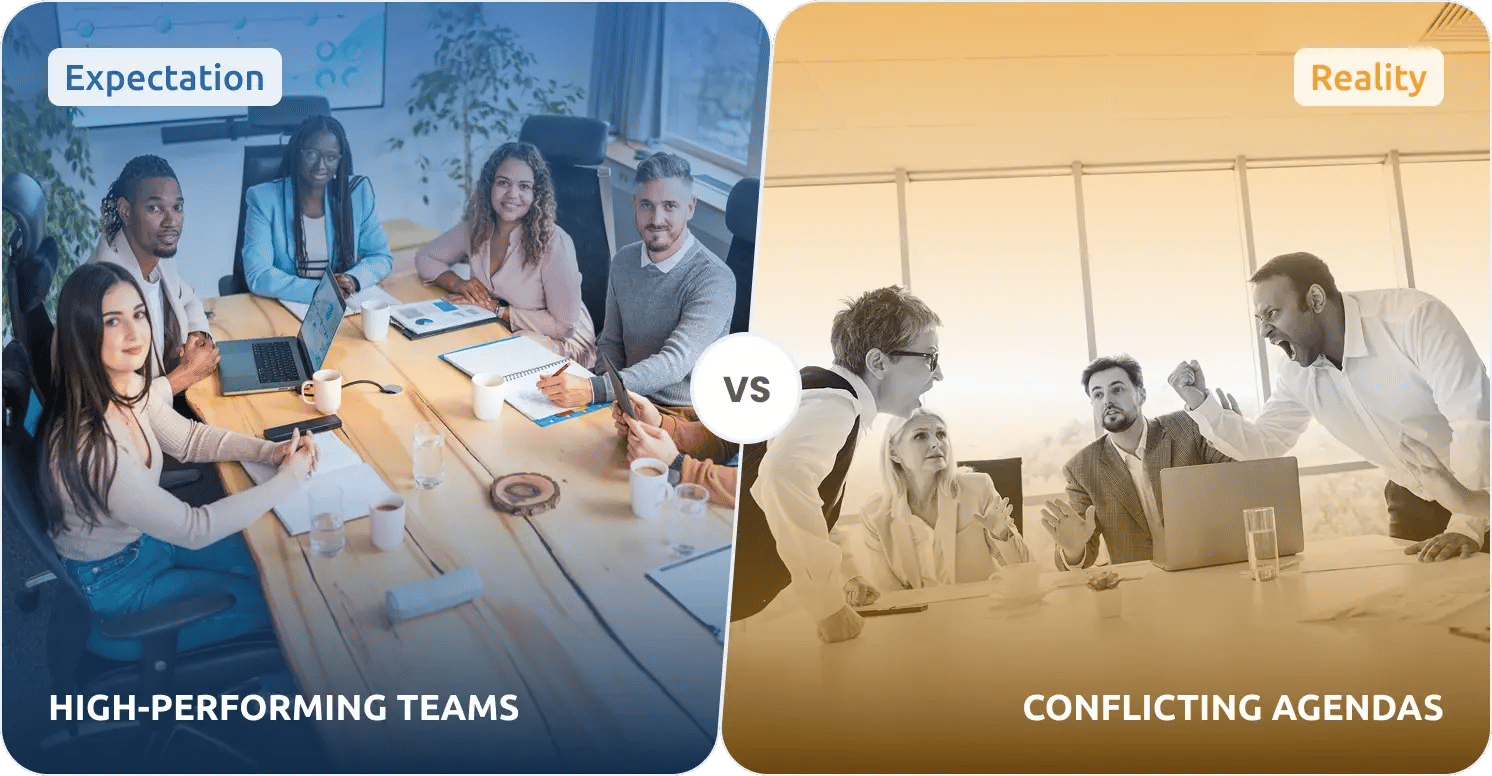
Great people underperform when priorities pull in different directions.
4
Technology without behavioral change
Technology without behavioral change
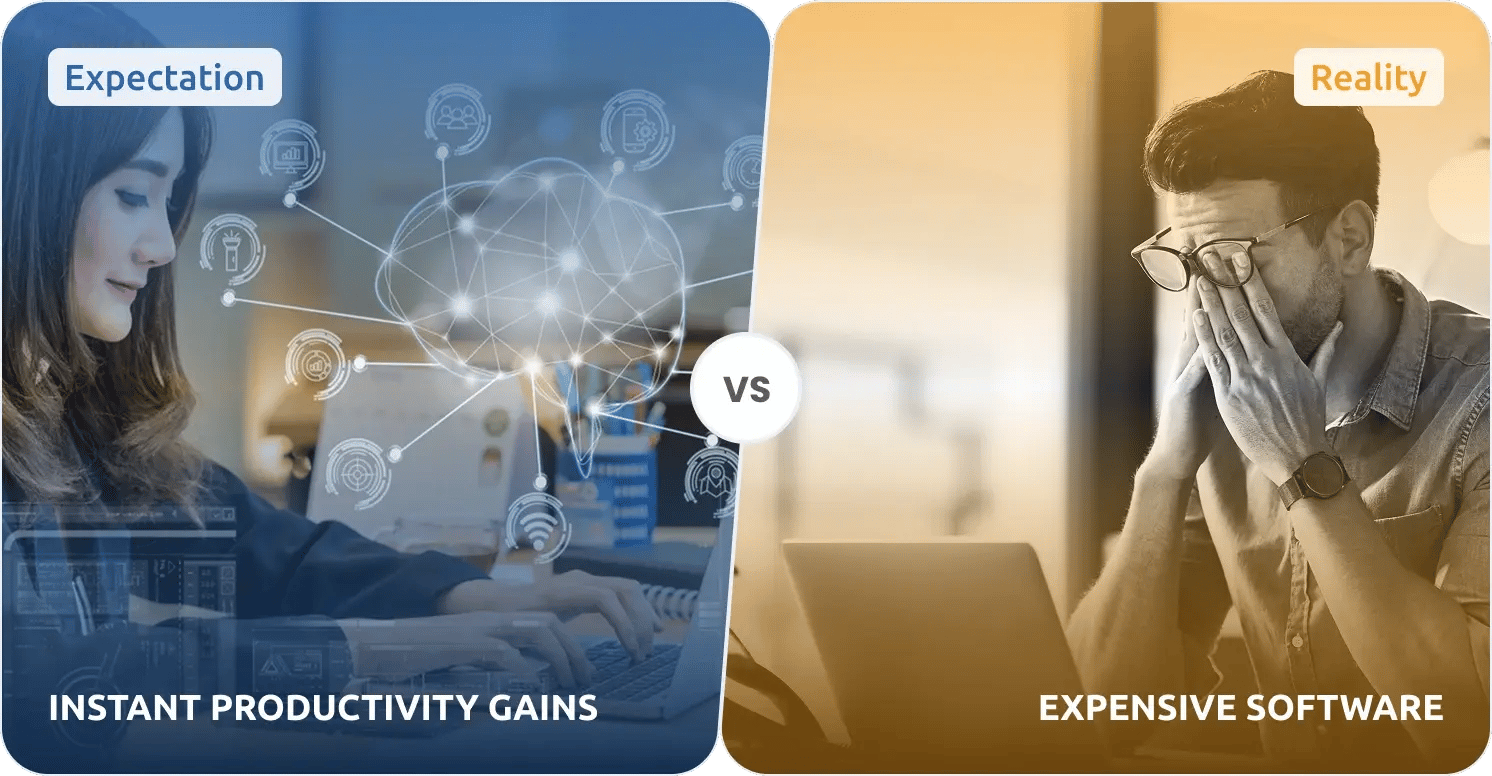
New tools don’t create results unless habits evolve with them.
5
Leadership without self-awareness
Leadership without self-awareness
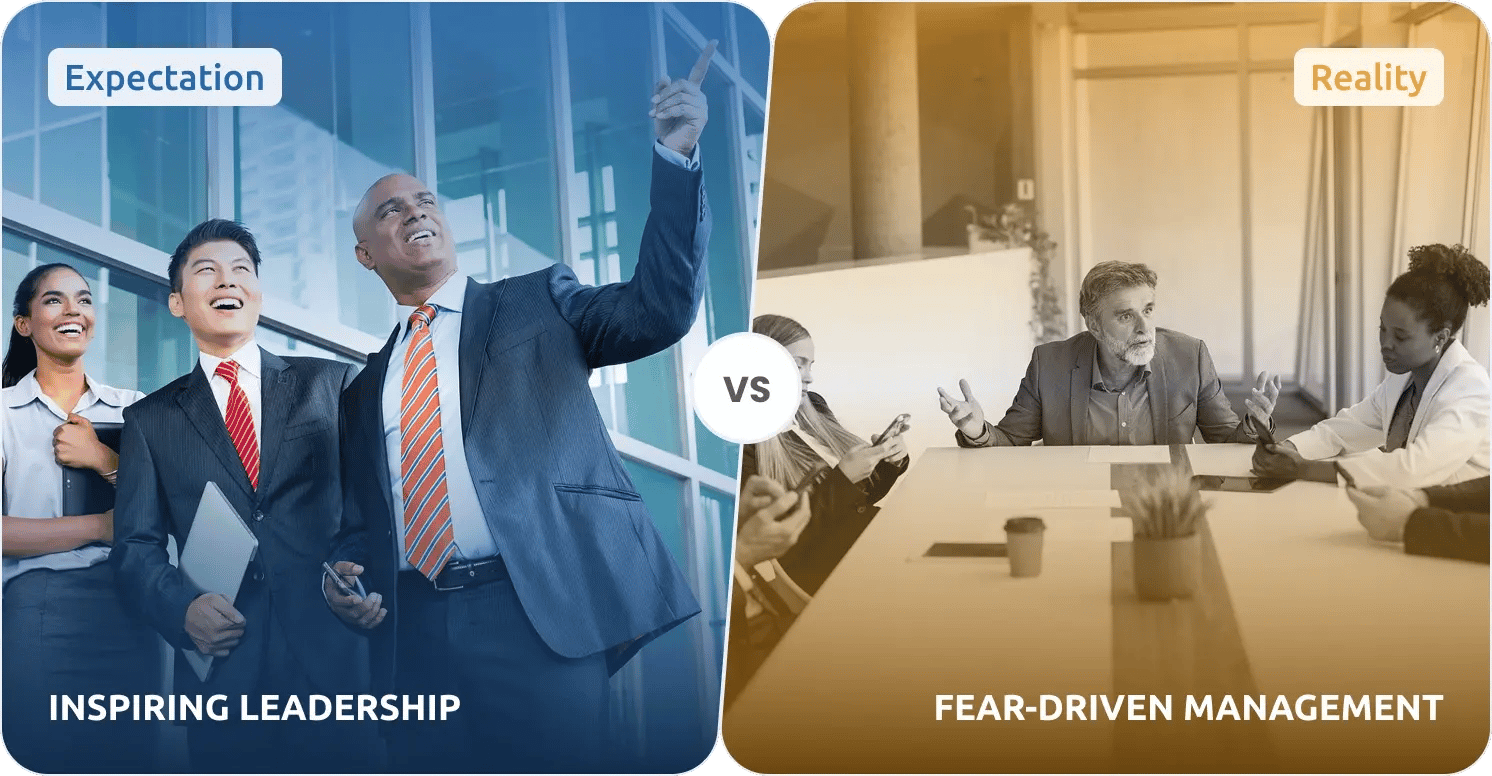
Leaders can’t scale culture if they can’t see their own impact.
6
Growth without capability
Growth without capability
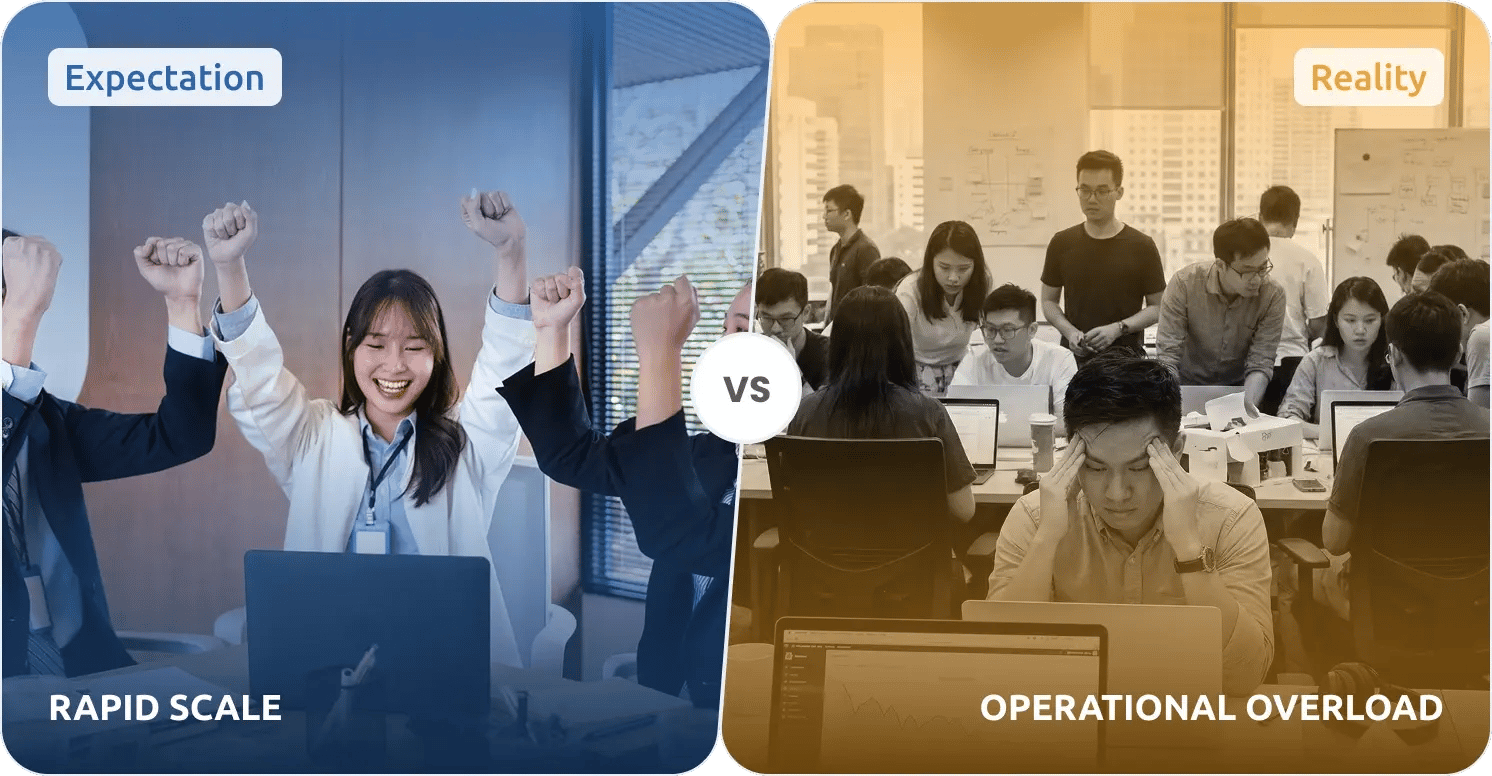
Expansion exposes weaknesses faster than success can hide them.
7
Transformation without trust
Transformation without trust
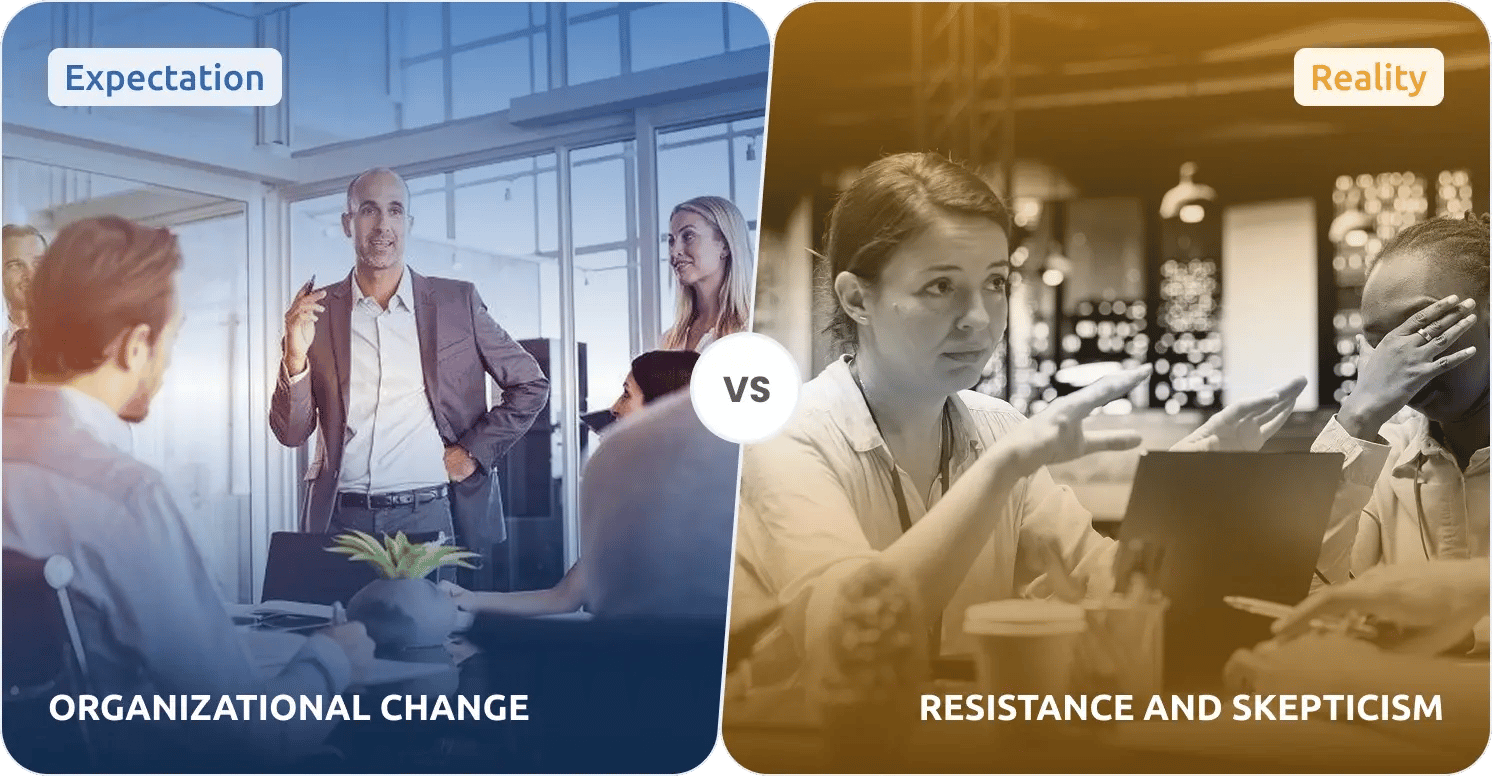
Change initiatives collapse when employees don’t believe leadership.
Strategy without execution
Visionary plans are worthless without cultural buy-in.
Systems without adoption
Processes fail when people don’t see value in using them.
Talent without alignment
Great people underperform when priorities pull in different directions.
Technology without behavioral change
New tools don’t create results unless habits evolve with them.
Leadership without self-awareness
Leaders can’t scale culture if they can’t see their own impact.
Growth without capability
Expansion exposes weaknesses faster than success can hide them.
Transformation without trust
Change initiatives collapse when employees don’t believe leadership.

What we kept seeing
Across industries, organizations protected outdated habits instead of adapting.

Systemic Avoidance
Companies investing in software to solve problems that are fundamentally cultural — and wondering why nothing moves.

The Trust Gap
Leaders managing performance indicators while the foundational trust required to deliver them quietly erodes.

Legacy Gravity
Organizations protecting outdated habits even when they openly acknowledge those habits no longer work.
Global
Global Alignment
A philosophy that travels across cultures
The patterns we observe are not local. Across industries and geographies, the same truths recur — about behavioral transformation, accountability, communication, and the quiet architecture of trust.
Our work resonates with thinkers, operators, and transformation leaders who recognize that organizational learning is the only durable advantage.

MANIFESTO
Our Commitment
"We don't provide quick fixes; we build lasting capability."

Long-term Evolution
We stay until the transformation is self-sustaining.

Radical Integrity
We address the difficult truths that others ignore.

Measurable Growth
We define success by the tangible growth of your people and systems.

Collective Intelligence
We enable organizations to tap into their shared wisdom, turning individual insights into systemic capability.
Today
Modern Organizational Challenges
In the age of AI, technical parity is a baseline. The real competitive advantage is now human execution—the ability of a team to align, communicate, and innovate faster than the algorithm can predict..

Leadership Development
The CEO or top executive must be actively involved — not just as a signatory, but as someone who truly owns the process. Without a sponsor, the system collapses when it meets organizational resistance.

Organizational Capability
The leadership team must be aligned on growth priorities. If there are conflicting strategic agendas pulling in different directions, it becomes impossible to define what talent profiles are needed.

AI Readiness & Adoption
For findings such as "the right person in the wrong role," the organization must have the maturity to look honestly in the mirror.

Communication Systems
This is a 16–24 week transformation process. Stakeholders must accept they are investing in long-term change, not short-term momentum.