







Increasing Sales & Marketing & Service Performance
Marketing generates demand, sales closes deals, and service delivers. But if they do not work together, what you call growth is simply an uncontrolled outcome.
In many organizations, these three functions exist within the same structure—but they are not part of the same system. Marketing generates leads, yet sales cannot clearly determine which ones convert into real opportunities. Sales loses deals, but marketing cannot see why. Service retains customers, but the impact of this effort on growth is not measured. Within this structure, there is activity—but no direction. Numbers are generated, but how they are generated is unclear. Most critically, the results are not repeatable.
As a result, growth occurs—but it cannot be managed. Because there is no system—only disconnected efforts. And the most dangerous aspect is this: loss of control is silent. Results continue to come in, the problem remains invisible—until a competitor builds the system.
 Persona
 Project Duration
 Min. Days
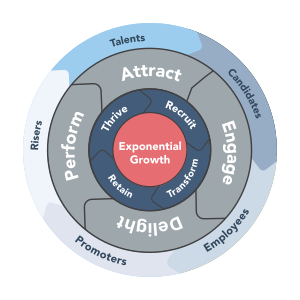
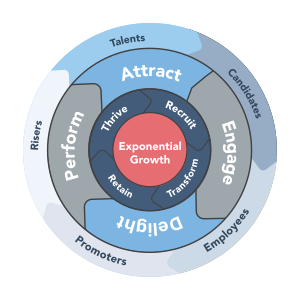
 DELIGHT
 Partner
What Is It?
Increasing Sales, Marketing & Service Performance is the transition from a structure where sales, marketing, and customer service operate separately to a unified growth system centered around the customer.
In this model, growth is not driven by opportunities moving through a sales funnel, but by a structure revolving around the customer experience. Marketing, sales, and service no longer pursue separate goals; they jointly manage the same customer and the same experience. Today, in many organizations, these three functions operate with different metrics. Marketing focuses on generating more leads, sales on improving close rates, and service on increasing satisfaction.
This structure creates movement—but not momentum.

This consultancy
Transforms that fragmented structure into an integrated growth system built around the customer journey. From acquisition to retention, the entire process is managed, measured, and continuously improved as a single system.
Result: The organization does not just sell—it generates continuous growth through customer experience.

SWOT — Typical Organizational Profile
STRENGTHS
 The organization knows how to sell, market, and deliver service; the issue is not capability, but fragmentation.
There is a product or service with market demand; growth challenges stem from the inability to manage this demand systematically.
Each function has experience and expertise; the issue is not capability, but lack of integration.
The existing customer base is a real growth asset; however, its potential is not systematically utilized. Upsell, cross-sell, and referral channels are ready—waiting for a system.
The organization knows how to sell, market, and deliver service; the issue is not capability, but fragmentation.
There is a product or service with market demand; growth challenges stem from the inability to manage this demand systematically.
Each function has experience and expertise; the issue is not capability, but lack of integration.
The existing customer base is a real growth asset; however, its potential is not systematically utilized. Upsell, cross-sell, and referral channels are ready—waiting for a system.
WEAKNESSES
 The customer lifecycle cannot be tracked end-to-end; each department views the customer through its own lens.
Marketing is often the weakest link; undervalued by sales and constantly questioned regarding lead quality.
Post-sale customer handover is ineffective, causing a breakdown in experience.
Growth relies heavily on acquiring new customers; existing customer potential is underutilized.
The customer lifecycle cannot be tracked end-to-end; each department views the customer through its own lens.
Marketing is often the weakest link; undervalued by sales and constantly questioned regarding lead quality.
Post-sale customer handover is ineffective, causing a breakdown in experience.
Growth relies heavily on acquiring new customers; existing customer potential is underutilized.
OPPORTUNITIES
 When the three functions are aligned around the customer journey, higher and more sustainable growth can be achieved with existing resources.
End-to-end visibility clarifies what truly drives revenue and ensures better investment decisions.
Properly managed, the existing customer base becomes the fastest and most cost-effective growth engine.
When integrated, growth does not just increase—it accelerates. The same team, budget, and customer base generate significantly greater results as friction is removed and momentum takes over.
When the three functions are aligned around the customer journey, higher and more sustainable growth can be achieved with existing resources.
End-to-end visibility clarifies what truly drives revenue and ensures better investment decisions.
Properly managed, the existing customer base becomes the fastest and most cost-effective growth engine.
When integrated, growth does not just increase—it accelerates. The same team, budget, and customer base generate significantly greater results as friction is removed and momentum takes over.
THREATS
 Competitors with integrated systems deliver more consistent customer experiences, gaining market share over time.
As customer expectations rise and decision processes become more complex, fragmented structures fail to adapt.
Growth models dependent on constant new customer acquisition become unsustainable due to rising costs.
Fragmented structures slow down as they scale; coordination costs increase and speed declines. Companies that scale without systems eventually lose growth under their own weight.
Competitors with integrated systems deliver more consistent customer experiences, gaining market share over time.
As customer expectations rise and decision processes become more complex, fragmented structures fail to adapt.
Growth models dependent on constant new customer acquisition become unsustainable due to rising costs.
Fragmented structures slow down as they scale; coordination costs increase and speed declines. Companies that scale without systems eventually lose growth under their own weight.
Who Is It For?
 Organizations with sales, marketing, and customer service teams that recognize these functions operate separately rather than collaboratively.
Organizations that lack clear visibility into where their growth comes from and cannot accurately measure which channels, leads, or customers generate revenue.
Teams where the “lead quality” debate between marketing and sales has become chronic, and the resulting tension is now negatively impacting performance.
Organizations experiencing issues in post-sale customer handover, where the customer experience breaks down at this stage.
Companies that rely primarily on new customer acquisition for growth and are unable to systematically leverage the potential of their existing customer base.
Organizations with sales, marketing, and customer service teams that recognize these functions operate separately rather than collaboratively.
Organizations that lack clear visibility into where their growth comes from and cannot accurately measure which channels, leads, or customers generate revenue.
Teams where the “lead quality” debate between marketing and sales has become chronic, and the resulting tension is now negatively impacting performance.
Organizations experiencing issues in post-sale customer handover, where the customer experience breaks down at this stage.
Companies that rely primarily on new customer acquisition for growth and are unable to systematically leverage the potential of their existing customer base.
 Organizations whose primary issue lies within the internal structure of sales itself (pipeline, forecasting, sales discipline) — this falls under CON-07.
Organizations looking to improve only a single function — this is not suitable for those seeking to enhance only marketing, only sales, or only customer experience.
Organizations with a “we’re already doing well, we just want to grow a bit more” mindset — this work requires structural transformation.
Companies where one of the three functions is not yet established or is significantly underdeveloped — integration cannot work without a solid foundation.
Organizations that do not acknowledge cross-functional issues and view the problem solely as “needing more sales.”
Organizations whose primary issue lies within the internal structure of sales itself (pipeline, forecasting, sales discipline) — this falls under CON-07.
Organizations looking to improve only a single function — this is not suitable for those seeking to enhance only marketing, only sales, or only customer experience.
Organizations with a “we’re already doing well, we just want to grow a bit more” mindset — this work requires structural transformation.
Companies where one of the three functions is not yet established or is significantly underdeveloped — integration cannot work without a solid foundation.
Organizations that do not acknowledge cross-functional issues and view the problem solely as “needing more sales.”
What Do You Gain?
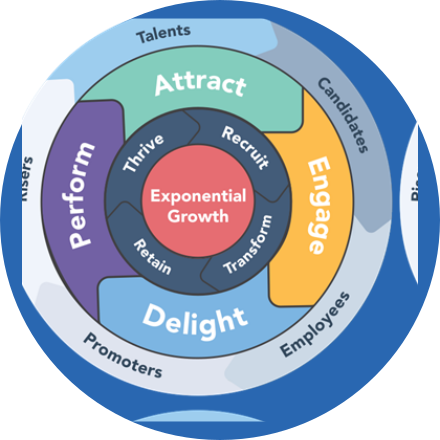
Customer experience becomes measurable and manageable end-to-end
Growth is managed as a single revenue operation.
Internal competition is replaced by shared objectives.
CRM and data usage become disciplined.
All customer-related information is measured and managed within a single structure.
Department leaders become aligned.
The transition from sales to service is no longer a breaking point.
The existing customer base becomes an active and measurable growth engine.
Revenue leakage becomes measurable and preventable.
Friction points limiting growth are identified and can be actively addressed.
Numbers

79%

8%

10%
Value Timeline

Working Model
Identify Gaps and Performance Barriers

Build the Integrated System and Functional Improvement Model

Activate the System and Performance Improvements

Measure Growth and Drive Continuous Improvement

Identify Gaps and Performance Barriers

Build the Integrated System and Functional Improvement Model

Activate the System and Performance Improvements

Measure Growth and Drive Continuous Improvement
How We Work

We Do Not Design Solutions Without First Making Friction Visible
We do not design anything without first measuring where the system flows and where it stalls. Invisible friction is the silent destroyer of any system that is not properly built.

We Start with Data
Sales, marketing, and service are assessed based on real data—not assumptions. What works and what doesn’t is clearly identified.

We Build Together
The integrated growth system is not imposed externally. It is co-designed with teams, based on how the organization actually operates.

We Align Stakeholders
Sales, marketing, and service teams—as well as their leaders—are aligned around shared goals, common metrics, and clear SLAs. Different agendas are unified within a single system.

We Design for Usability
The structure we build is not theoretical; it is a system used in day-to-day operations. Nothing is designed unless it will be used.

An Independently Manageable Structure
By the end of the engagement, teams are able to manage, measure, and improve the system independently, without the need for external support.
Common Objections

“Our sales, marketing, and service teams are already well aligned.”
“Is this level of alignment really achievable? It’s very difficult in large organizations like ours.”
“This won’t work in our organization.”
“Our sales team won’t accept this.”
“Who will own this structure? We don’t have such a role.”
“We’re not ready for this kind of change.”

“Our sales, marketing, and service teams are already well aligned.”
“Is this level of alignment really achievable? It’s very difficult in large organizations like ours.”
“This won’t work in our organization.”
“Our sales team won’t accept this.”
“Who will own this structure? We don’t have such a role.”
“We’re not ready for this kind of change.”
Our Approach

Growth is not a departmental issue; it is a system issue.

We address integration and performance together.

We accelerate growth not by increasing effort, but by reducing friction.
Trusted Technology and Consulting Partners

Prerequisites For Success

Executive Ownership

Leadership and Stakeholder Alignment

Facing Reality and Clarity
Consistency and Ownership
Related Solutions
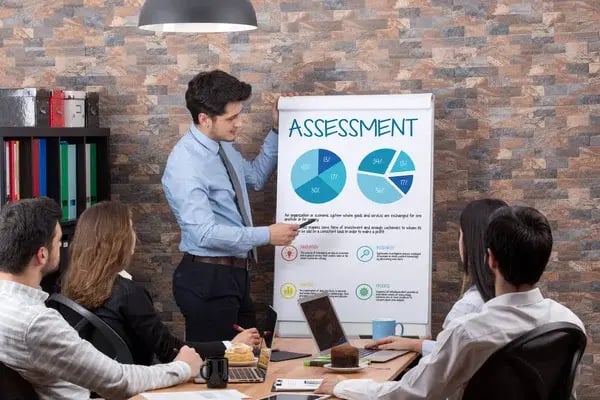
 Assessment
OMG Sales Team Evaluation (SEIA)
 Assessment
OMG Salesperson Evaluation
 Assessment
OMG Sales Management Assessment
 Assessment
OMG 21 Sales Competencies Framework
 Assessment
Marketing Team Capability
 Assessment
Adaptive Mindset® for Resilience
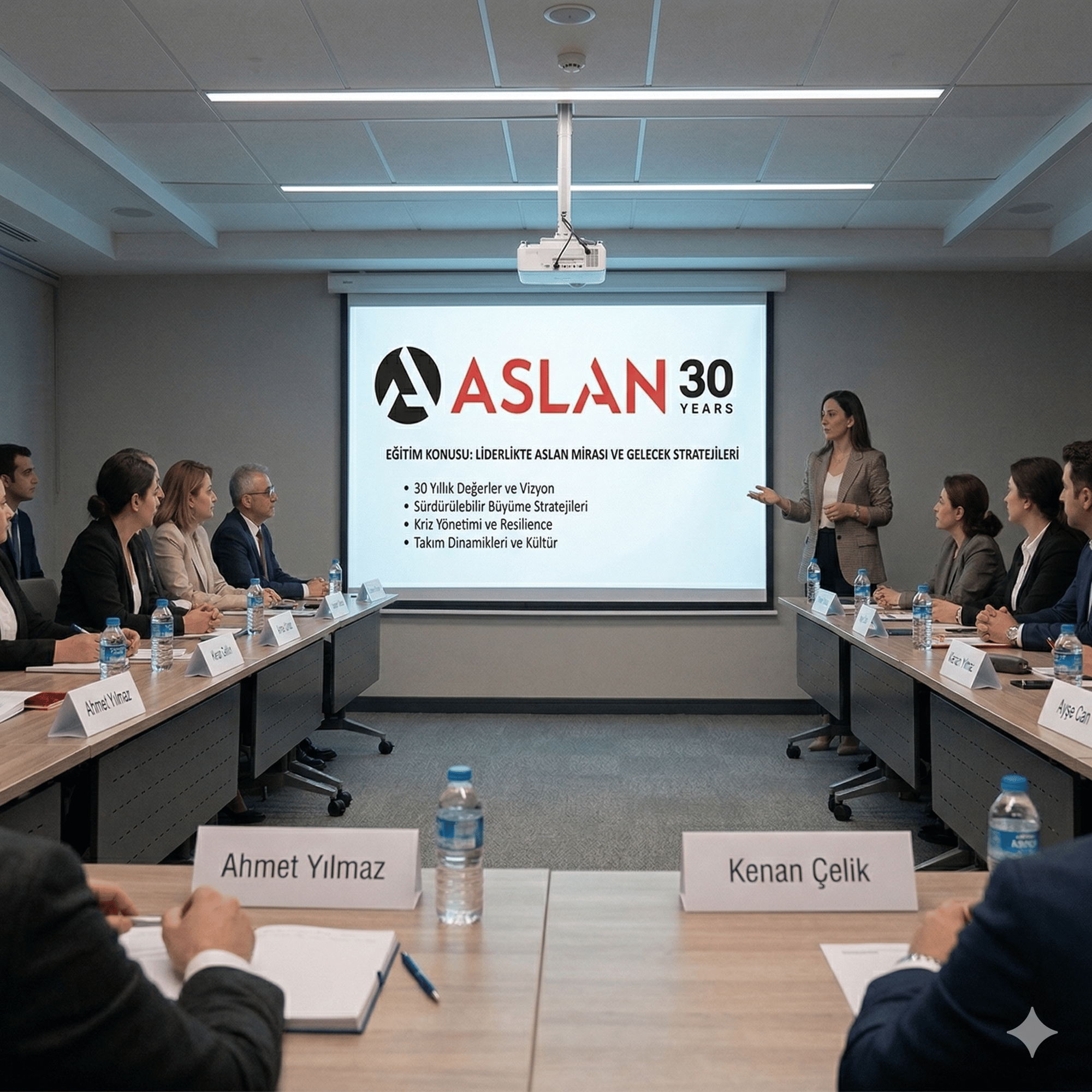 Eğitim & Enablement
Other Centric Selling — ASLAN
 Eğitim & Enablement
Sales Management Training (CATALYST) — ASLAN
 Eğitim & Enablement
Customer Service Selling Skills — ASLAN
Turn behavioral change into lasting habit
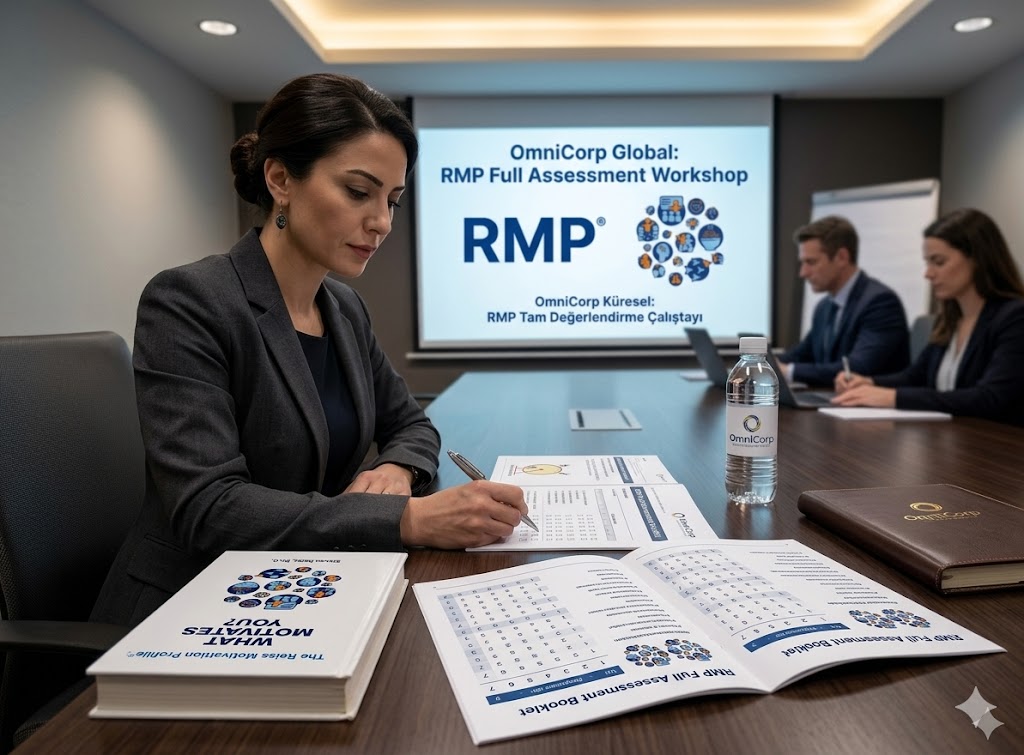 Eğitim & Enablement
RMP Motivation Training — Who am I
 Coaching & Enablement
Revenue Enablement
 Coaching & Enablement
Revenue Leadership Coaching
 İlişkili Danışmanlık
Sales Modernization
Overview
.jpg?width=600&height=400&name=depositphotos_175040532-stock-photo-take-a-look-at-this%20(1).jpg)
General Overview
 Target Audience
 Project Duration
 Min. Days
 Language
What's Included?
-
 In-PersonRecommended
 -
Live Online
-
Hybrid
-
Pre-WorkCompany’s Existing Reports
-
AssessmentOMG SEIA · OMG Salesperson Eval · OMG Sales Mgmt Assessment · OMG 21 Competencies · Marketing Team Capability · Adaptive Mindset
-
Project Management
-
Executive Interviews
-
Reporting
-
SKUPERC-CON-ISMS-SP-SMT-CRO-GRO-DEL-071
-
ChallengePERC
-
FlywheelDEL
-
 Implementation
 -
Micro Learning
-
WorkshopOptional
-
E-LearningOptional
-
PartnerSP
 Recommended Training
ASLAN Customer Service
Recommended Training
ASLAN Other Centric Selling
Recommended Training
RMP Who am I