







Sales Modernization
"If your sales depend on individuals, your revenue is not under your control."
In many companies, sales results depend on the performance of a few strong salespeople. Numbers come in—but the reasons behind them are unclear. The same team produces completely different results across periods. The pipeline appears full but is unreliable; forecasts are made but do not hold. There is a CRM system, but it does not truly show how sales progress. Management tracks outcomes, not the system. This consultancy is a transformation program that shifts the sales organization from individual performance to system performance. It standardizes the sales process, makes the pipeline transparent, ensures reliable forecasting, and establishes a data-driven rhythm for sales management. Technology (CRM, sales tools, AI) is positioned not as a software investment, but as the infrastructure that defines how sales are actually managed.
Result: Sales are no longer dependent on specific individuals; they become a measurable, manageable, and predictable revenue-generating system.
 Persona
 Project Duration
 Min. Days
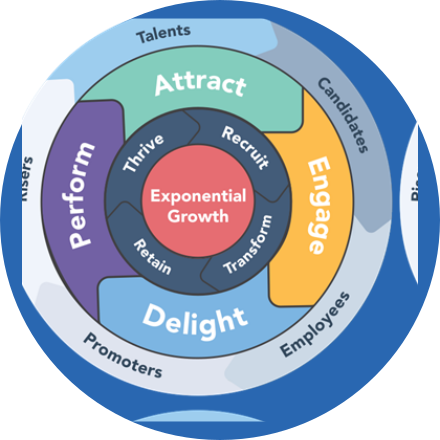
 Flywheel
 Partner
What Is It?
Sales Modernization is the transformation of sales from a structure driven by individual talent and intuition into a system performance built on standardized processes, visible pipelines, and reliable forecasts. In many organizations, sales appear to be “working.” Meetings happen, opportunities progress, and numbers close at the end of the period. However, there is no repeatable system behind this performance. Processes vary from person to person, pipelines do not reflect reality, and forecasts are unreliable. CRM stores data but does not show how sales truly progress. Sales Modernization changes this structure. It standardizes the sales process, makes the pipeline visible, and transforms forecasting into a data-driven system. It shifts sales management from outcome tracking to system management.

Technology is central to this transformation.
CRM, sales tools, and AI are positioned not for reporting, but as the operational infrastructure that determines how sales are managed.
Result: Sales become a measurable, manageable, and predictable revenue system rather than being dependent on individuals.

SWOT — Typical Organizational Profile
This represents organizations that have not established a sales system but experience similar challenges at different maturity levels.
STRENGTHS
 The company knows how to sell; revenue is generated through an active sales team or strong customer relationships.
There is a product or service with market demand; the issue is not generating demand but managing sales.
Some organizations have CRM and tools in place; others rely on strong personal networks and long-standing customer portfolios.
The company knows how to sell; revenue is generated through an active sales team or strong customer relationships.
There is a product or service with market demand; the issue is not generating demand but managing sales.
Some organizations have CRM and tools in place; others rely on strong personal networks and long-standing customer portfolios.
WEAKNESSES
 There is no defined sales system; processes vary by individual or are undefined.
CRM exists but is not used, or sales activities are invisible and controlled individually.
Pipeline and forecasts are unreliable or nonexistent; management cannot clearly see the real sales situation.
Sales performance depends on a few individuals who are difficult to measure or replace.
There is no defined sales system; processes vary by individual or are undefined.
CRM exists but is not used, or sales activities are invisible and controlled individually.
Pipeline and forecasts are unreliable or nonexistent; management cannot clearly see the real sales situation.
Sales performance depends on a few individuals who are difficult to measure or replace.
OPPORTUNITIES
 Organizations that standardize sales processes generate higher and more predictable revenue from the same team.
When CRM, data, and AI are used correctly, management shifts from intuition to data-driven decisions.
Companies that build systems reduce dependency on individuals and achieve scalable growth.
Organizations that standardize sales processes generate higher and more predictable revenue from the same team.
When CRM, data, and AI are used correctly, management shifts from intuition to data-driven decisions.
Companies that build systems reduce dependency on individuals and achieve scalable growth.
THREATS
 If sales depend on a few individuals, losing them directly leads to revenue loss.
Without visibility, management invests in the wrong opportunities and misses’ growth potential.
Competitors with data-driven systems learn faster and gain market advantage.
If sales depend on a few individuals, losing them directly leads to revenue loss.
Without visibility, management invests in the wrong opportunities and misses’ growth potential.
Competitors with data-driven systems learn faster and gain market advantage.
Who Is It For?
 CROs and sales leaders who have a sales team and CRM but lack visibility into how sales actually progress and do not trust pipeline or forecasts.
Organizations where sales activities are not visible and rely on individual reporting rather than data.
Companies that can sell but cannot make it repeatable, struggle with consistency, and depend on a few individuals.
Organizations driven by personal relationships and legacy connections without measurable and manageable systems.
CROs and sales leaders who have a sales team and CRM but lack visibility into how sales actually progress and do not trust pipeline or forecasts.
Organizations where sales activities are not visible and rely on individual reporting rather than data.
Companies that can sell but cannot make it repeatable, struggle with consistency, and depend on a few individuals.
Organizations driven by personal relationships and legacy connections without measurable and manageable systems.
 Organizations seeking to solve sales management problems by increasing leads without building a sales system.
Those who believe their sales are already fully under control and see no need for pipeline, forecast, or process discipline.
Organizations resistant to change with a “we’ve always succeeded this way” mindset.
Companies expecting short-term training to solve sales performance without building systems and management rhythm.
Organizations seeking to solve sales management problems by increasing leads without building a sales system.
Those who believe their sales are already fully under control and see no need for pipeline, forecast, or process discipline.
Organizations resistant to change with a “we’ve always succeeded this way” mindset.
Companies expecting short-term training to solve sales performance without building systems and management rhythm.
What Do You Gain?
You Gain Clear Visibility into the True State of Sales for the First Time
Forecasts Stop Being Surprises
Sales Progress in a Controlled, Not Arbitrary, Manner
Sales Activities Become Fully Visible
Sales Meetings Become True Management Forums
Sales Performance Becomes Measurable
The Sales Team Scales Faster
Existing Technology Starts Creating Real Value
Sales Are No Longer Dependent on Individuals
Numbers

33%

6%

80% / 5%
Value Timeline

Working Model
Reveal the Reality of Sales Behavior

Build a Sales System That Works

Activate the System

Sustain the Discipline

Reveal the Reality of Sales Behavior

Build a Sales System That Works

Activate the System

Sustain the Discipline
How We Work

We Start with Data
The sales system is assessed based on real data, not assumptions. Using CRM, pipeline, and active opportunities, we clarify how sales truly progress. We do not attempt to transform what is not visible.

We Build Together
The sales process, pipeline structure, and management model are not based on generic templates; they are co-designed according to how the organization actually operates. The result is not theoretical, but a system that works in practice.

We Progress Through Real Sales Cycles
The system is not built at a desk but tested and refined within real sales cycles. Pipeline, forecasting, and management rhythm are activated through live opportunities.

We Design for Usability
CRM, tools, and processes are designed to integrate seamlessly into the daily workflow of salespeople. A system that is not used effectively does not exist.

An Independently Manageable Structure
By the end of the engagement, sales leaders are able to read the pipeline, manage forecasts, and guide their teams using data. The system operates independently without reliance on external support.
Common Objections

“Our sales are different; this model won’t work for us.”
“We’ve already been successful this way.”
“There are no good salespeople; we don’t have a team to manage this system.”
“We don’t sell directly; we operate through distributors/channels.”
“This is too big; the organization can’t handle it.”
“Now is not the right time; we’re under end-of-quarter pressure.”

“Our sales are different; this model won’t work for us.”
“We’ve already been successful this way.”
“There are no good salespeople; we don’t have a team to manage this system.”
“We don’t sell directly; we operate through distributors/channels.”
“This is too big; the organization can’t handle it.”
“Now is not the right time; we’re under end-of-quarter pressure.”
Our Approach

Sales problems are system problems.

We position technology not as a reporting tool, but as a management infrastructure.

Sales cannot change without a shift in management mindset.

We build systems not only for management, but also for sales teams.
Trusted Technology & Consulting Partners

Prerequisites For Success

Executive Ownership

Facing Reality and Clarity

Execution Focus

Consistency and Ownership
Related Solutions
 ASS
ASS
OMG Sales Team Evaluation (SEIA)
 ASS
ASS
OMG Sales Management Assessment
 ASS
ASS
OMG Salesperson Evaluation
 PTP
PTP
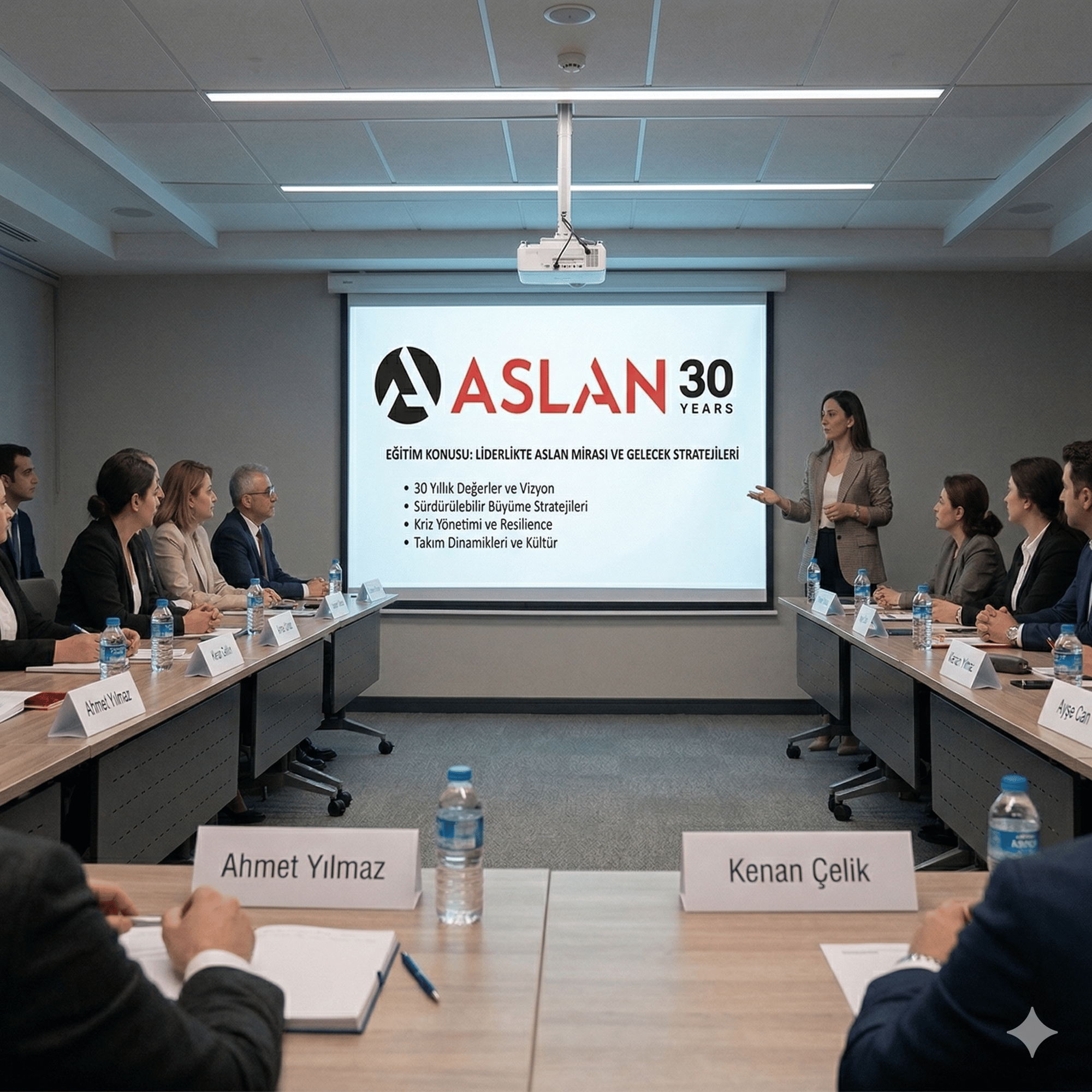
Catalyst — ASLAN
 PTP
PTP
Other Centric Selling — ASLAN
 PTP
PTP
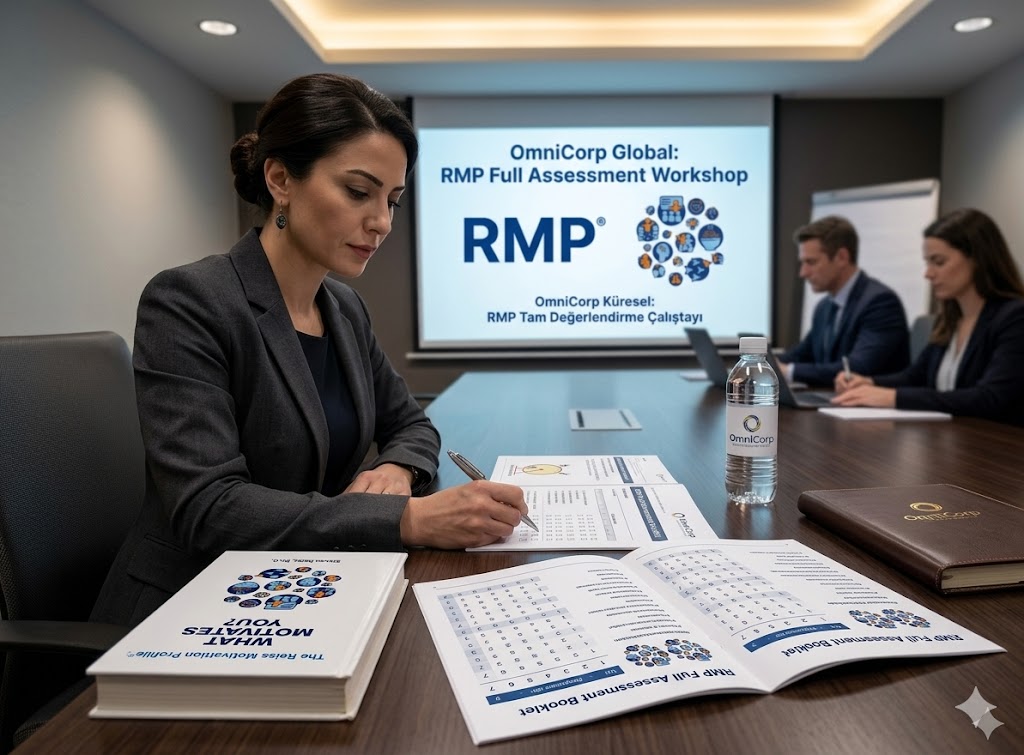
RMP Motivation Training - Who am I
 ENA
ENA
Sales Enablement
 ENA
ENA
AI Role-play & Simulation-based Enablement (Bongo)
 SAS
SAS
AI Coaching Solution (ASLAN+)
 SAS
SAS
Smart CRM Solution
 IMP
IMP
Smart CRM Solution Implementation
 CON
CON
AI in Sales
Overview

General Overview
 Target Audience
 Project Duration
 Min. Days
 Language
What's Included?
-
 In-PersonRecommended
 -
Live Remote
-
Hybrid
-
Pre-WorkSales Data, CRM, Digital Footprint, Ghost Rate
-
AssessmentOMG SEIA, OMG Sales Team Eval, OMG Salesperson Eval, OMG Sales Mgmt Assessment
-
Project ManagementAvailable
-
Executive Interviews
-
Reporting
-
SKUPERC-CON-SAMO-SP-SMT-CRO-GRO-DEL-069
-
ImplementationOptional
-
ChallengePERC
-
FlywheelDELIVER
-
 E-LearningBridge Sales
 -
Micro LearningQstream
-
WorkshopOptional
-
PartnerSP
 Recommended Training
ASLAN Other Centric Selling
Recommended Training
ASLAN Sales Management — Catalyst