







Team Building Consulting
"Your Team Works Together — But Are They Truly Working as One?"
In his 4-million-copy bestseller, Patrick Lencioni says: "Not finance. Not strategy. Not technology. Teamwork is the ultimate competitive advantage." Gallup puts the same reality into numbers: disconnected and isolated employees cost companies $450–550 billion a year. Teams are co-located — but most aren't truly collaborating. This consultancy closes that gap: it builds trust, enables constructive conflict, and creates commitment to collective results.
 Persona
 Project Duration
 Min. Consulting Days
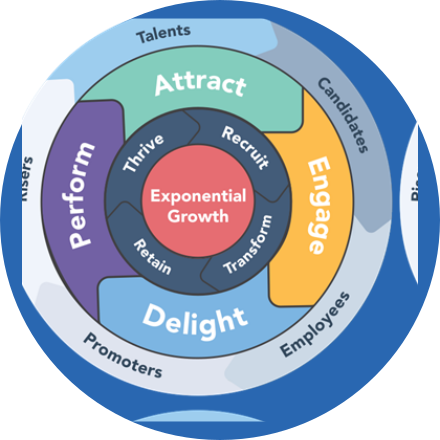
 Flywheel
 Partner
What Is It?
Team Building Consulting- This consultancy is an end-to-end transformation program that systematically moves teams from co-existing to truly collaborating.
In many organizations, team problems are visible but never named. Meetings are unproductive, decisions are made but not owned, conflict is avoided, and false harmony overrides reality. Individuals are talented — but as a team they underdeliver.
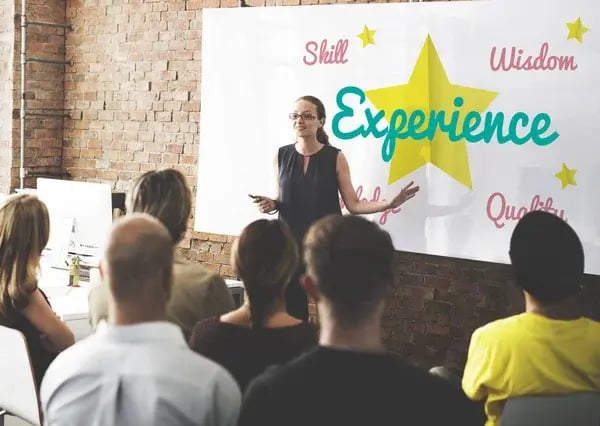
This consultancy repairs that broken dynamic:
Using The Five Behaviors® methodology — built on Patrick Lencioni's 'The Five Dysfunctions of a Team' and developed by Wiley — it rebuilds teams around five foundational behaviors.

SWOT —Typical Organization Profile
This is the typical SWOT profile of the organizations that come to us. It frames where we start and the future we build.
STRENGTHS
 Mid and senior managers are experienced and present in the field
Teams are technically strong; individual performance is relatively high
Company culture and values are defined
Leadership views teamwork as a strategic priority
Mid and senior managers are experienced and present in the field
Teams are technically strong; individual performance is relatively high
Company culture and values are defined
Leadership views teamwork as a strategic priority
WEAKNESSES
 A culture of conflict avoidance exists — artificial harmony overrides reality
Lack of trust within the team: mistakes are hidden, help is not asked for
Managers are 'good people' but not 'team builders'
Role clarity is missing — who does what is ambiguous
Accountability mechanism isn't functioning; unfulfilled commitments have become normalized
A culture of conflict avoidance exists — artificial harmony overrides reality
Lack of trust within the team: mistakes are hidden, help is not asked for
Managers are 'good people' but not 'team builders'
Role clarity is missing — who does what is ambiguous
Accountability mechanism isn't functioning; unfulfilled commitments have become normalized
OPPORTUNITIES
 Hybrid work: the ability to build connected remote teams is becoming a critical competitive advantage
Diverse team management: generational and cultural differences become strengths when managed well
High-engagement teams mean lower attrition and lower costs — strong teams are directly linked to financial performance
Companies using OKR/goal systems see that shared goals increase team alignment
Hybrid work: the ability to build connected remote teams is becoming a critical competitive advantage
Diverse team management: generational and cultural differences become strengths when managed well
High-engagement teams mean lower attrition and lower costs — strong teams are directly linked to financial performance
Companies using OKR/goal systems see that shared goals increase team alignment
THREATS
 Remote work: team bonds are weakening, isolation is increasing
Reorganization: new teams are forming, alignment takes longer and costs more
Generational conflict: different expectations are increasing management stress
High performers burn out in weak team structures and leave
Remote work: team bonds are weakening, isolation is increasing
Reorganization: new teams are forming, alignment takes longer and costs more
Generational conflict: different expectations are increasing management stress
High performers burn out in weak team structures and leave
Who It’s For / Who It’s Not For
 Organizations where teams have technical competency but collective output is low — 'the whole is less than the sum of its parts'
CHROs who recognize their managers are great individual experts but not team builders
Leaders seeing high attrition rates and high performers burning out and leaving
Those who want to shorten alignment time for new teams after a reorganization or rapid growth
Organizations that want permanent behavior change instead of one-off team building events
Organizations where teams have technical competency but collective output is low — 'the whole is less than the sum of its parts'
CHROs who recognize their managers are great individual experts but not team builders
Leaders seeing high attrition rates and high performers burning out and leaving
Those who want to shorten alignment time for new teams after a reorganization or rapid growth
Organizations that want permanent behavior change instead of one-off team building events
 Structures where the leadership team is not genuinely ready to participate in the process
Organizations expecting to solve the problem with 'a one-off offsite event'
Structures closed to involving managers in the process — the manager is the heart of this consultancy
Structures where the leadership team is not genuinely ready to participate in the process
Organizations expecting to solve the problem with 'a one-off offsite event'
Structures closed to involving managers in the process — the manager is the heart of this consultancy
What Do You Gain?
Team Trust & Dynamics Analysis
Manager Team-Building Competency Program
Role Clarity & Responsibility Matrix
Team Working Rituals & Meeting System
Disagreement Management Protocol
Accountability Culture
The Numbers

$15.5M

86%

75%
Value Timeline

Working Model
Understand Team Dynamics

Design the Team System
Take It to the Field

Embed the System

Understand Team Dynamics

Design the Team System

Take It to the Field

Embed the System
How We Work

Data-Driven Start
We start with data, not intuition. Five Behaviors Assessment, RMP, and Social Index findings are cross-analyzed; interventions are based on diagnosis. Every decision rests on a measurable observation.

Built Together
All work is carried out alongside the client team. The playbook, rituals, and protocols are written in language that fits the organization's own culture.

Part of the Team
We're not outsiders giving advice — we're insiders working alongside you. We're in meetings, we observe in the field, we see real dynamics up close and reflect them back. We don't bring the solution — we build it with you.

Safe Mirror
Even the best leaders can't look at their own team dynamics from the outside — that's not a weakness, it's simply being human. This engagement holds up an illuminating mirror to the manager, not an accusatory one. What's working and what's unknowingly holding the team back — we discover together, without judgment, in a safe environment. We make you feel like you're growing, not being criticized.

Knowledge Transfer
The consultancy ends; the system keeps working. At the end of each phase, the team is equipped to independently manage team dynamics. Autonomy — not dependency.
Common Objections

"Actually, we're already a good team."

"The team is very busy — we don't have time right now."
"This team achieved great things last year."
"Everyone on the team is a team player."
"Last year we got training from [a top speaker] and went on an Everest expedition."
"Is the difference between a good and a bad team really tangible?"

"Actually, we're already a good team."
"The team is very busy — we don't have time right now."
"This team achieved great things last year."
"Everyone on the team is a team player."
"Last year we got training from [a top speaker] and went on an Everest expedition."
"Is the difference between a good and a bad team really tangible?"
Our Approach

Trust First

Candor

Data & Science

Our Work Is Systems, Not Events
Trusted Technology and Consulting Partners

Prerequisites For Success
This consultancy produces its highest value only when these conditions are met. We evaluate each one together before starting.

Demand from Within

Belief in the Methodology

A Concrete Goal

Openness to Data
Ethical Foundation
Openness to Accountability
Related Solutions
-2.png?width=600&height=400&name=image%20(6)-2.png) ASS
ASS
Team Psychological Safety Index
Measures the team's psychological safety level. The ideal starting point for viewing the trust baseline before or during the consultancy.
 ASS
ASS
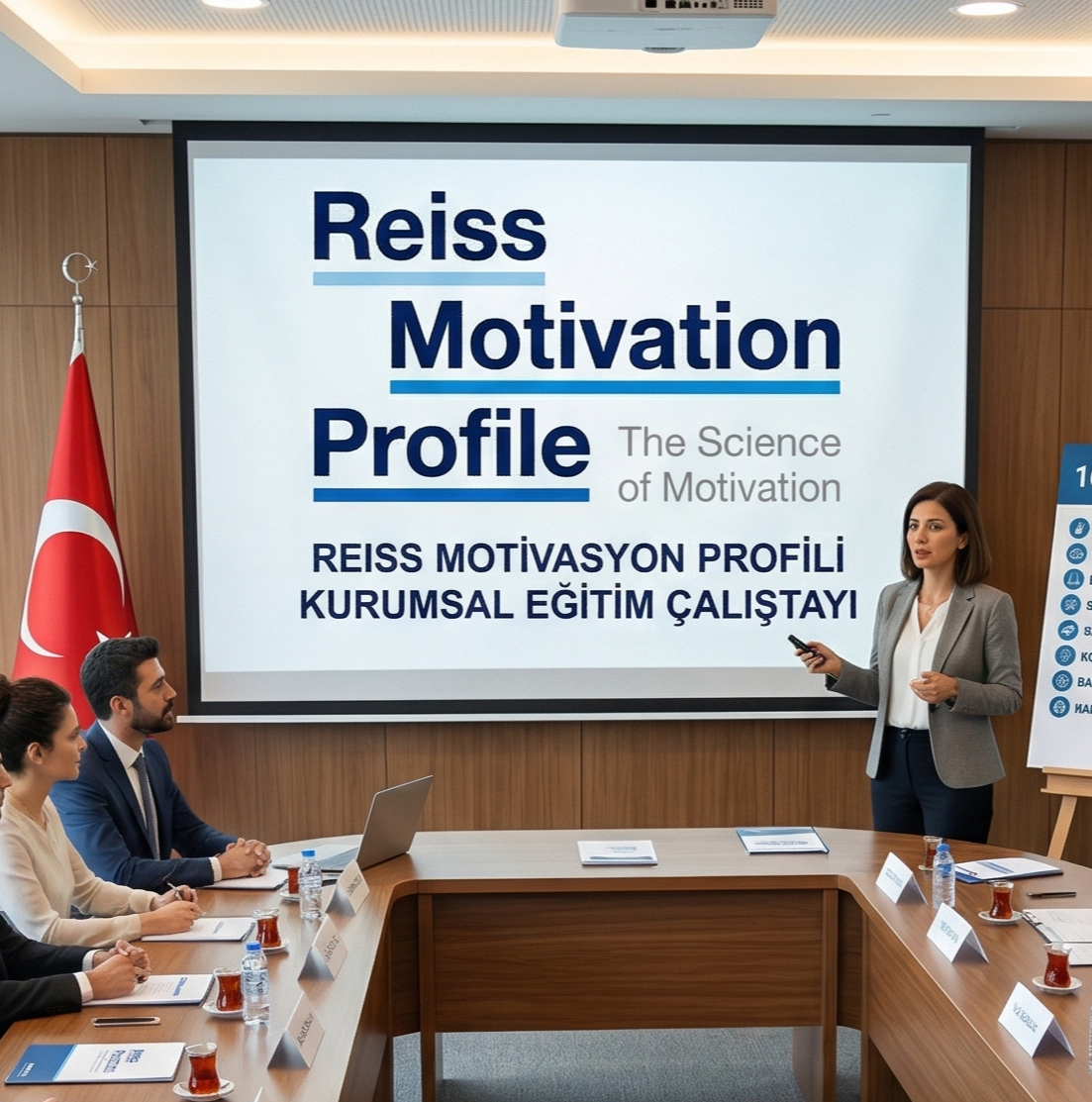
RMP for Team Building
Measures the 16 core motivators of team members. Uncovers motivational misalignments and the root causes of conflict.
 ASS
ASS
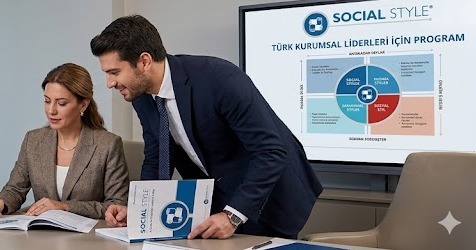
SOCIAL STYLE® (TRACOM)
Assessment that maps individual communication and working styles. Makes style differences within the team visible and accelerates alignment.
 ASS
ASS
Team Competency Analysis
Produces the team's collective competency map. Strengths, gaps, and complementarity potential become visible.
 PTP
PTP
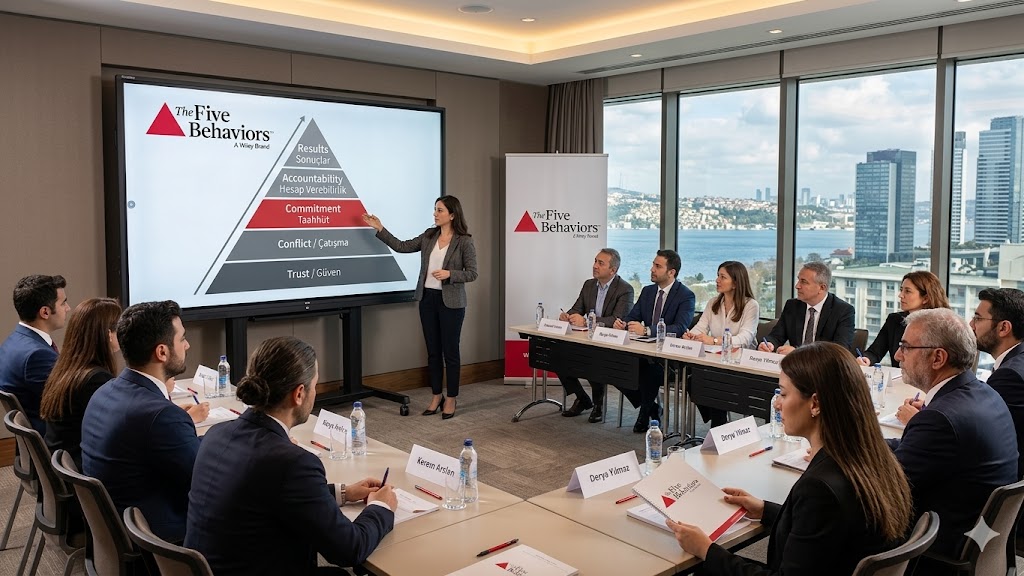
Wiley — The Five Behaviors
Certified training program that deepens the Lencioni model. Supports and reinforces the consultancy process.
-1-1.png?width=200&height=200&name=Gemini_Generated_Image_xv33d4xv33d4xv33%20(1)-1-1.png) PTP
PTP
Crucial Conversations for Accountability
Builds the skill to create an accountability culture without damaging relationships. Makes team dynamics permanent.
Overview

General Overview
 Target Persona
 Project Duration
 Min. Consulting Days
 Language
What's Included?
-
 In-PersonRecommended
 -
Live Remote
-
Hybrid
-
Pre-AnalysisFive Behaviors Assessment + 360° Leadership Assessment
-
Project ManagementIncluded
-
Manager InterviewIncluded
-
ReportingIncluded
-
WorkshopIncluded
-
 E-LearningOptional
 -
Implementation SupportOptional
-
Micro LearningOptional
-
PartnerSP
-
FlywheelDELIVER
 Recommended Training
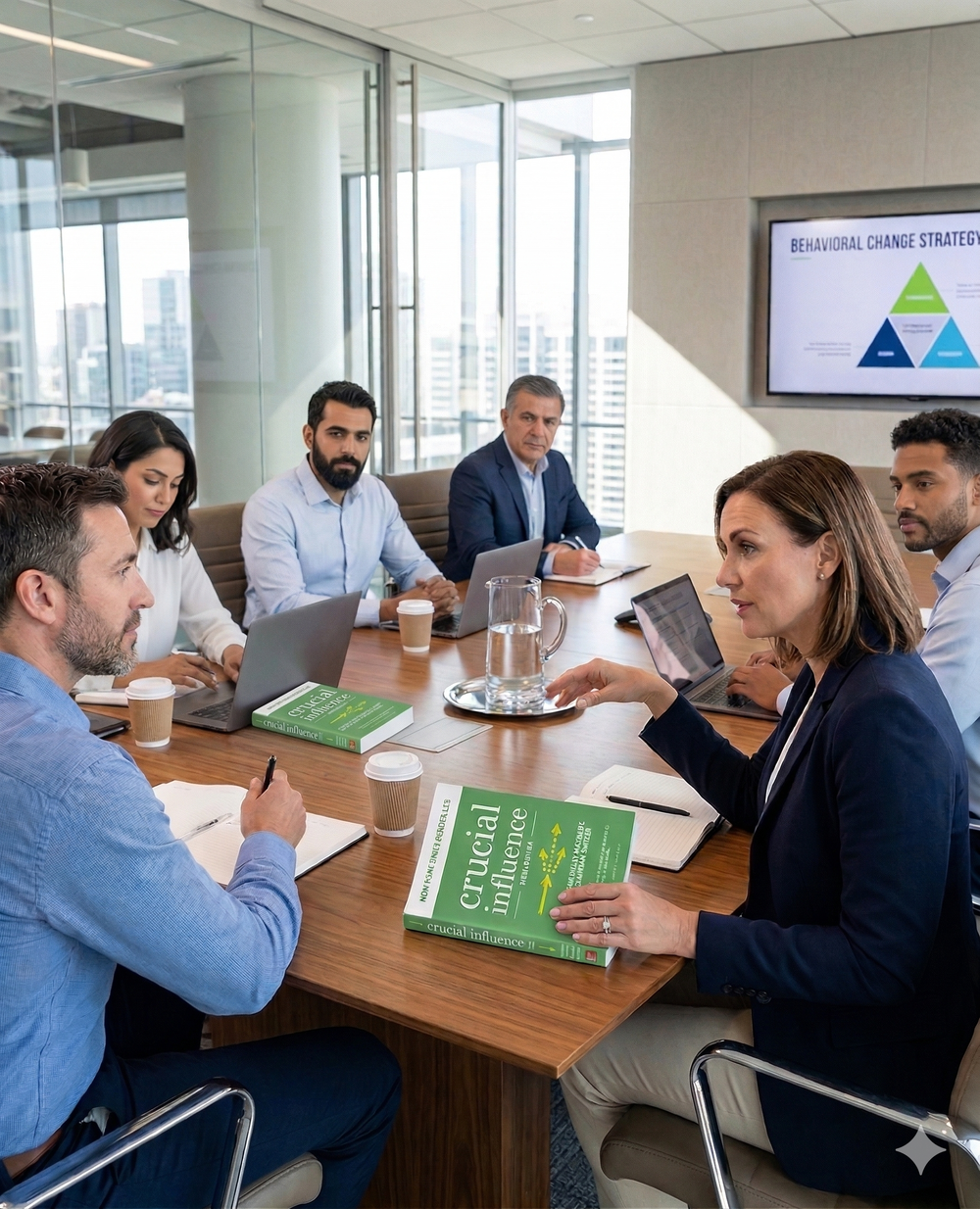
Crucial Influence for Behavioral Change
 Recommended Training
AI-Aware Leadership Training