






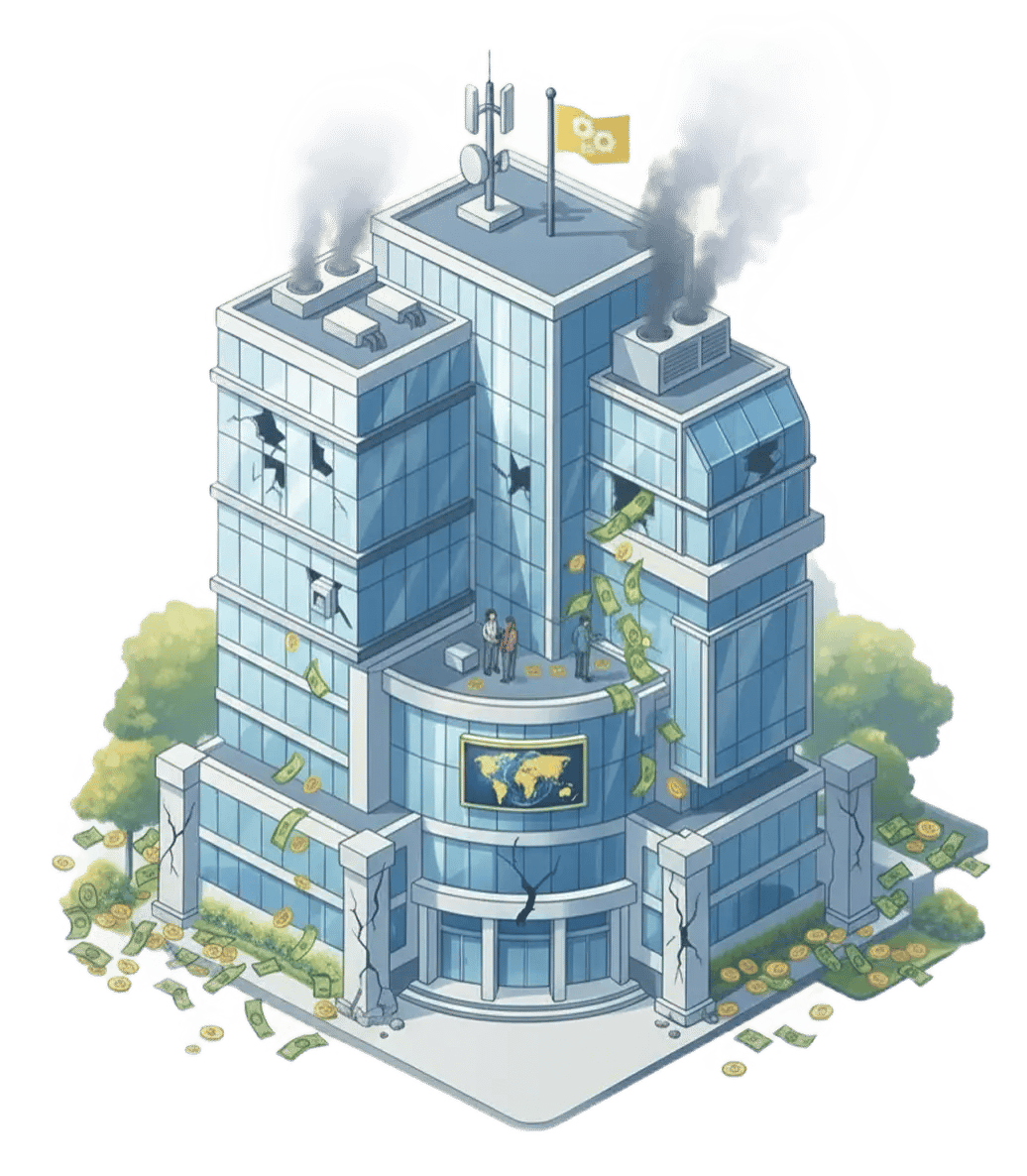
"Employees spend an average of two hours per week managing conflict. This translates to an annual productivity loss of $3,216 per employee."

DID YOU
KNOW?
$3,216
 Workplace Peace Institute, 2024
Common Problems Many Organizations Face


Different perspectives are perceived as threats rather than sources of value.
Different perspectives are perceived as threats rather than sources of value.
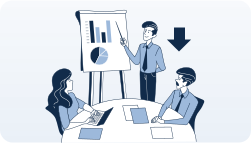
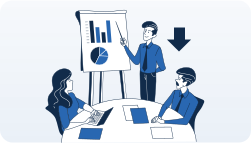
The “right working style” within a team is often shaped by the dominant style of the majority.
The “right working style” within a team is often shaped by the dominant style of the majority.


Different ways of working create mistrust.
Different ways of working create mistrust.
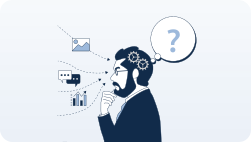
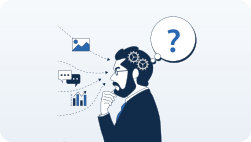
Disagreements are assumed to be personality problems and are avoided instead of resolved.
Disagreements are assumed to be personality problems and are avoided instead of resolved.
Different perspectives are perceived as threats rather than sources of value.
The “right working style” within a team is often shaped by the dominant style of the majority.
Different ways of working create mistrust.
Disagreements are assumed to be personality problems and are avoided instead of resolved.
The Hidden Costs Of These Problems

Performance Cost
Managers spend 20–40% of their working time managing conflict. — Runde & Flanagan, Becoming a Conflict Competent Leader

Cultural Cost
Companies that fail to manage differences generate 2.3× less cash flow per employee compared to more inclusive competitors.— Josh Bersin

Strategic Cost
Companies lacking diversity in senior leadership are 66% less likely to outperform competitors financially.— McKinsey & Company, 2023
If These Problems Continue
If teams continue failing to understand and tolerate each other’s behavioral styles.
10 Days
An employee who expresses a different opinion unknowingly goes through a test. The organization’s reaction reveals everything: Was the person interrupted, silenced, or ignored? Other employees may reinforce the message — subtly or directly — that “this is not how things are done here.” Within ten days, the employee learns what kind of person they are expected to be in the organization
10 Months
Employees reach a silent decision point: either become the expected person or remain authentic. Some begin to display the desired behaviors — not sincerely, but out of necessity. Others shift into quiet quitting. Even when they try to remain silent, their behavior reveals their disengagement. Meanwhile, recruitment efforts become ineffective. A new employee hired under the promise of “diversity and inclusion” is gradually reshaped by the internal culture once they show their first difference. The organization finds the right talent but cannot retain it. Eventually, the company begins complaining that it “cannot find the right people,” while the real issue is not recruitment but intolerance toward differences. Over time, this cycle damages employer branding as well.
10 Years
Organizational culture becomes shaped around a single dominant style — usually that of senior leadership. Employees with different styles are seen as misfits and gradually eliminated. What remains is a homogeneous team lacking creativity, diversity, and resilience — resulting in declining innovation and competitiveness.
What Competency Is Needed To Solve This?

Self-Awareness and Respect for Differences
The ability to deeply understand one’s own behavioral style, recognize the styles of others, and demonstrate respect for those differences.
What Is This Program?
1. Assessment (Survey)
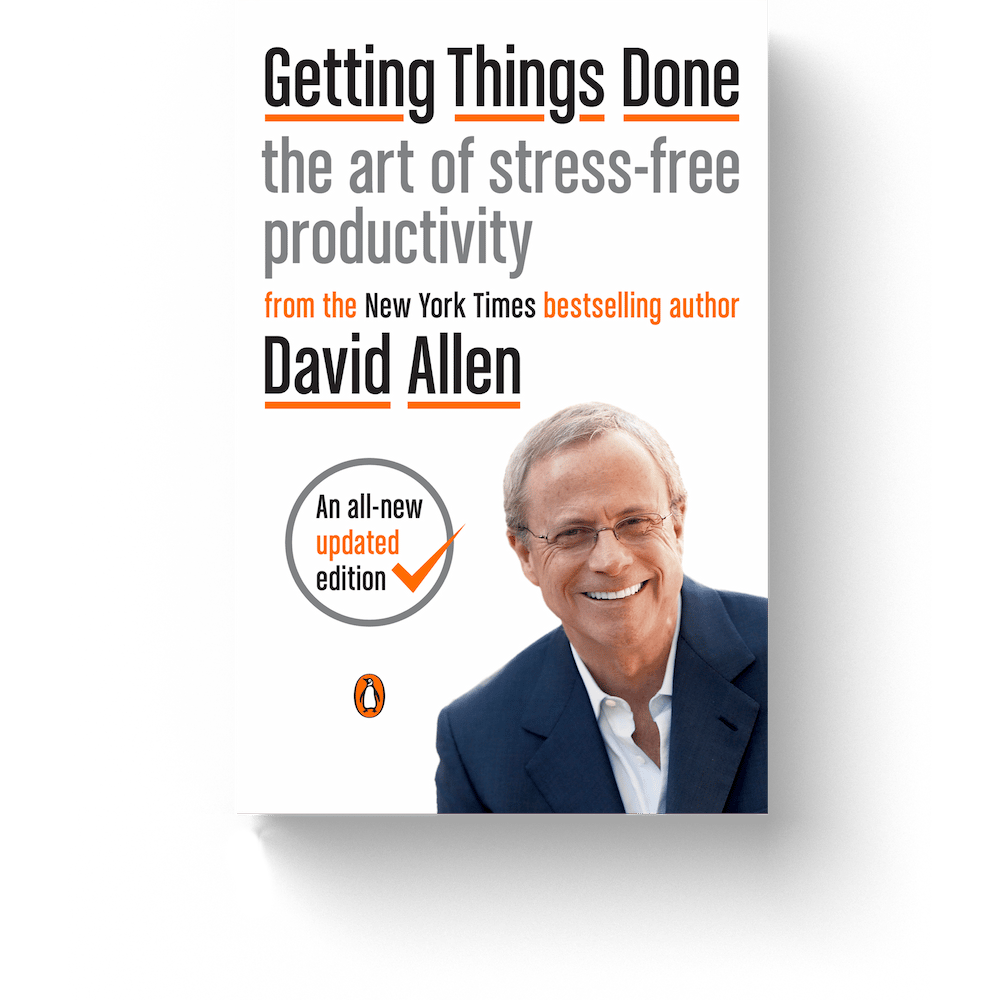
Participants complete the Everything DiSC® on Catalyst™ assessment. Based on 50+ years of research by Wiley, the survey identifies an individual’s D, i, S, or C style and generates a personalized profile report.
2. Workplace Workshop
Profile results are interpreted through the lens of workplace relationships. Participants gain insights into their own styles and those of their colleagues, developing a shared language that fosters collaboration rather than conflict.
3. Catalyst™ Digital Platform
Through the Catalyst™ digital platform, participants can view their own profiles as well as their colleagues’ profiles and receive tailored interaction tips for each relationship. Access is available 365 days per year.
⚠️ The platform is currently available in English only.

50M+
Users
Adaptive
Testing Methodology
Catalyst™
Digital Platform
Learning Outcomes

Transforms Team Communication
Style differences become sources of complementarity rather than conflict.
Improves Leadership Effectiveness
Leaders develop approaches tailored to each employee’s style.

Strengthens Employee Engagement
Employees who feel understood tend to be more engaged and productive.
Supports Sustainable Behavioral Change
The Catalyst™ platform integrates learning into daily work.
Promotes Inclusion and Tolerance for Differences
Teams develop the ability to understand differences rather than label them.
Reduces Conflict and Prevents Personalization
Disagreements remain focused on issues rather than becoming personal attacks.
Encourages Awareness-Based Interaction
Teams move from impulse-driven interactions to awareness-based communication.
Increases Productivity
Teams that understand each other spend less time in unproductive meetings and prolonged email exchanges.
Client References

7-Eleven
Transformation in employee engagement and communication culture

SWBC
DiSC culture embedded into the organization’s DNA

Fortune 500 Companies
Corporate transformation programs in 50+ countries

200+ Turkish Organizations
Implemented in Turkey through SP1 partnership
Who Is It For?
 Suitable For
Organizations that want to integrate DiSC as a system rather than a one-time activity
Companies that want to manage people using behavioral data rather than intuition
Leadership teams that champion awareness from the top down
Teams with a culture of curiosity and learning about one another
Organizations that prefer understanding people rather than labeling generations
Companies supporting employer branding with the message “we are a company that understands you”
Teams that have or want to build psychological safety
 Not Suitable For
Organizations focused on maintaining the status quo rather than structural solutions
Companies seeking one-off training events
Organizations using DiSC merely as a personality test without cultural integration
Organizations claiming diversity values but not implementing them in practice
Companies seeking visibility rather than measurable outcomes
Organizations lacking leadership buy-in and relying solely on HR initiatives
 Urgent
Why Now?

Economic pressure is increasing:
workplace conflict significantly erodes productivity.
Data first, AI second:
companies unable to translate human behavior into data will struggle with AI adoption.
Human connection is declining:
hybrid work reduces face-to-face interaction, making shared language and style awareness more important than ever.
Inefficient communication is expensive:
ineffective meetings and communication breakdowns cost companies $12,506 per employee annually (Journal of Business Communication, 2023)
Customer Voice


"After the DiSC training, the question in our team changed from ‘Why does this person behave this way?’ to ‘How can we work better together?’ Everyone began speaking the same language."
— Corporate Training Manager, Türkiye
"Everything DiSC has become part of our culture. Because we understand each other better, our communication has improved significantly and our team spirit has strengthened."
—Lisa Marie Paulsen
Training Design and Development Manager, SWBC
Related Solutions
.jpg?width=1024&height=1024&name=unnamed%20(20).jpg) Pre-Assessment Tool
Pre-Assessment Tool
Everything DiSC® Workplace Profile (Catalyst™)
personal style report and digital platform access
 Pre-Assessment Tool
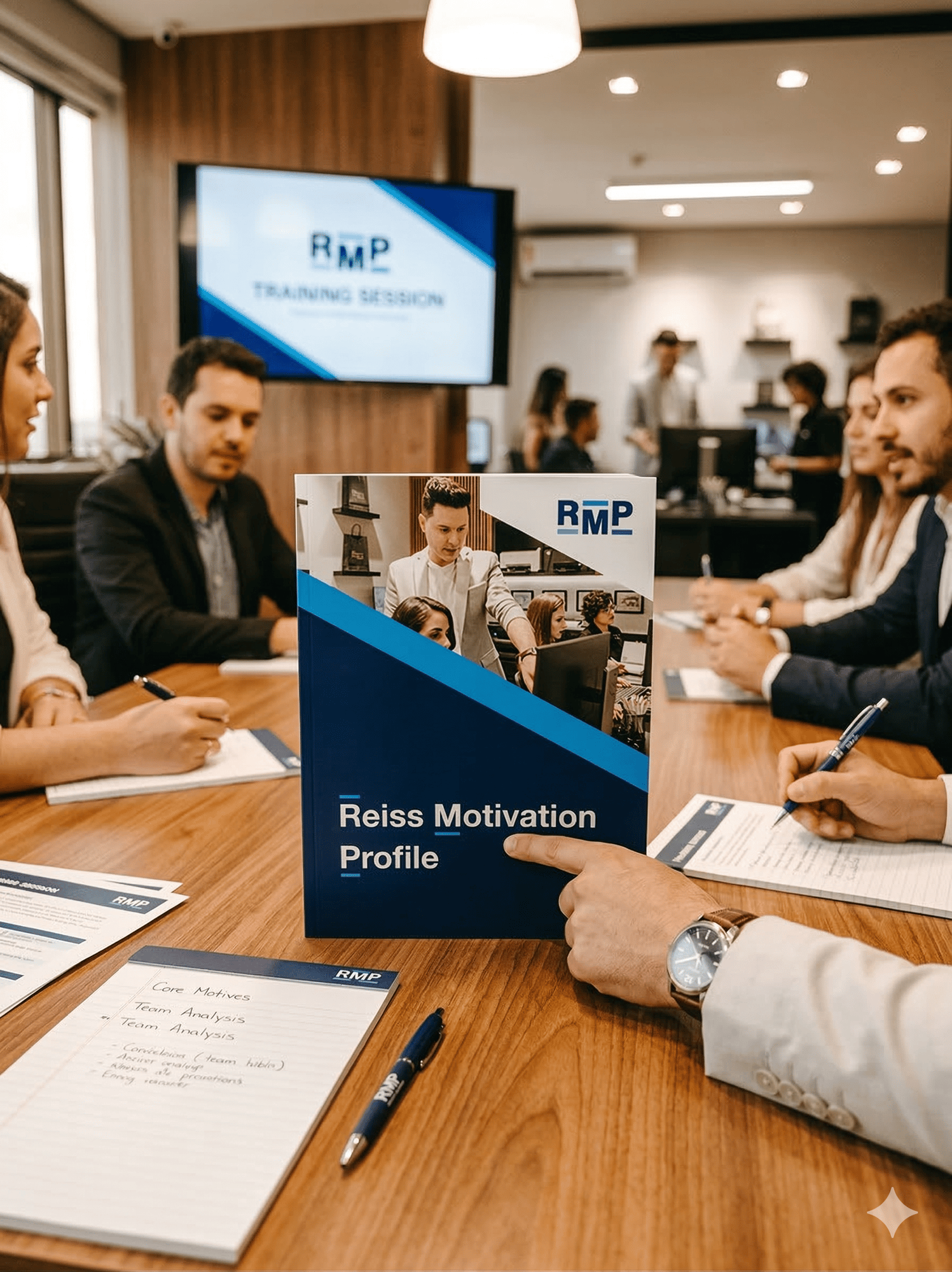
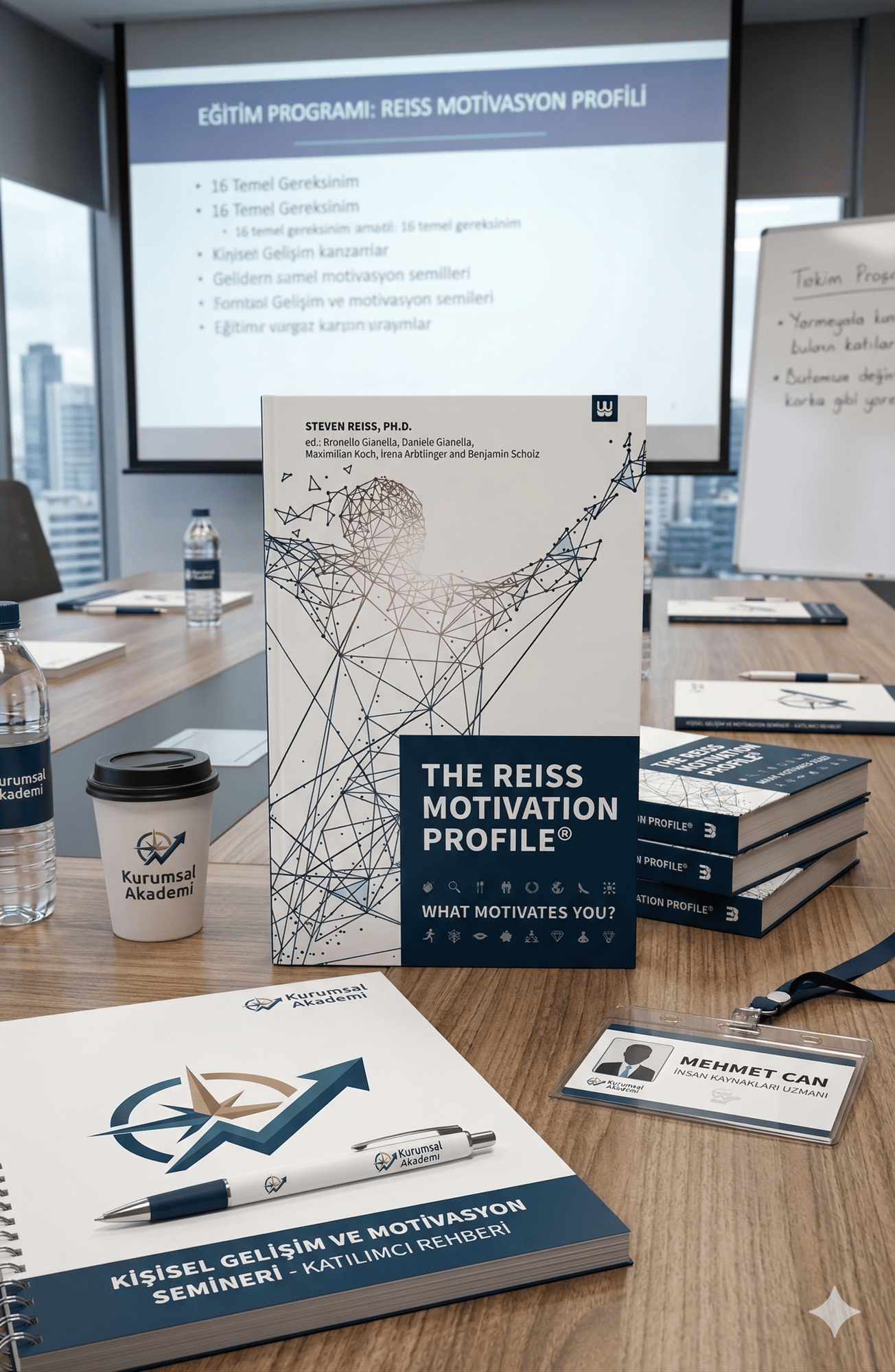
RMP (Reiss Motivation Profile)
in-depth assessment to understand the motivations behind behavioral style
.png?width=2000&height=2000&name=Gemini_Generated_Image_uih031uih031uih0%20(1).png) Complementary Training
Complementary Training
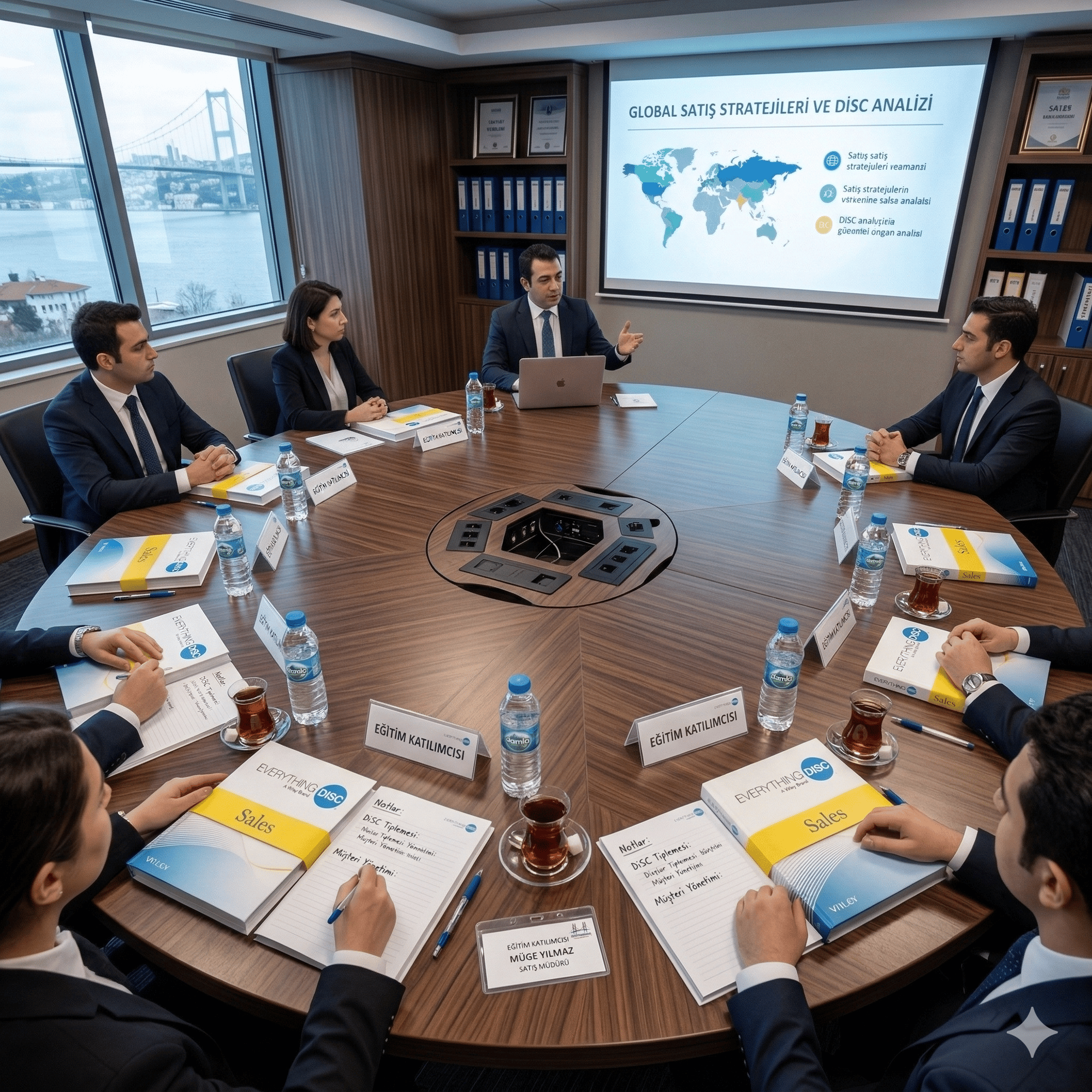
DiSC® Management
style-based leadership for managers
 Complementary Training
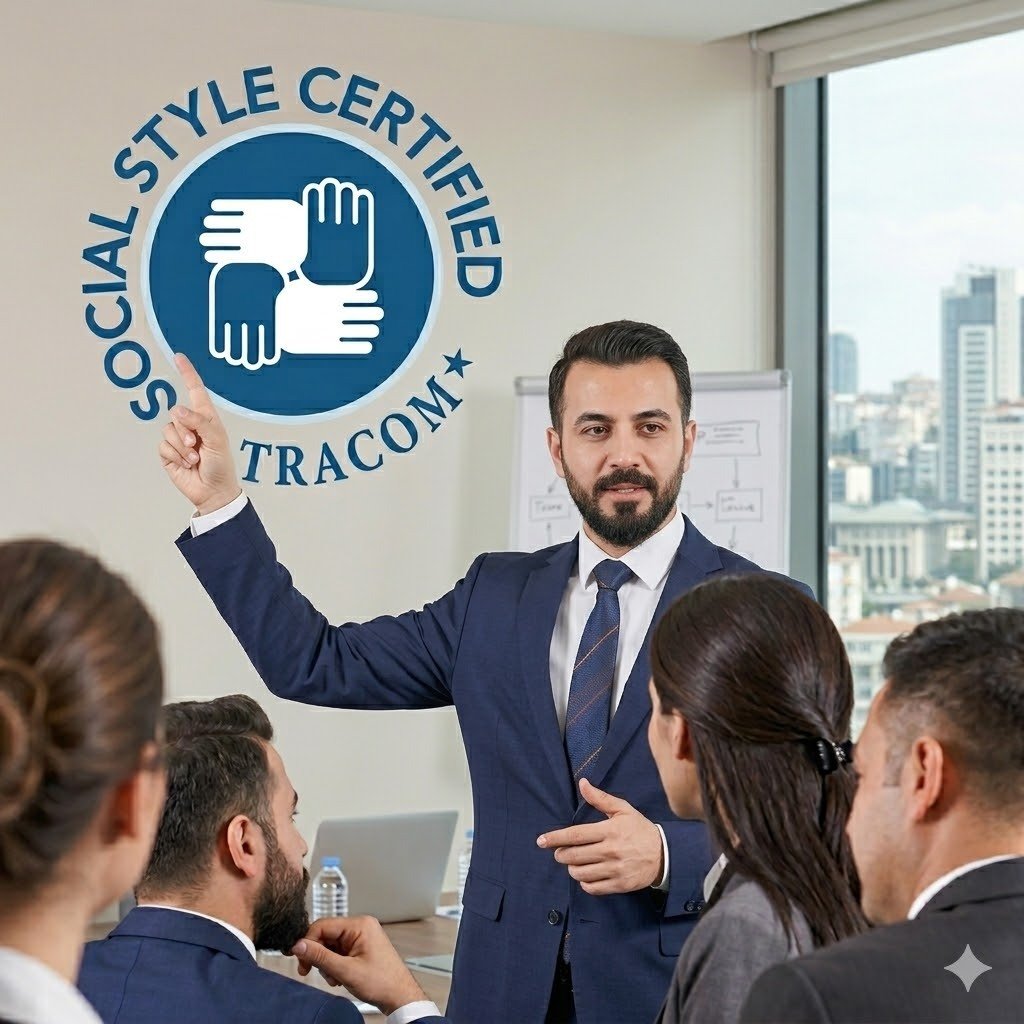
DiSC® Sales
adapting to customer styles in sales
 Complementary Training
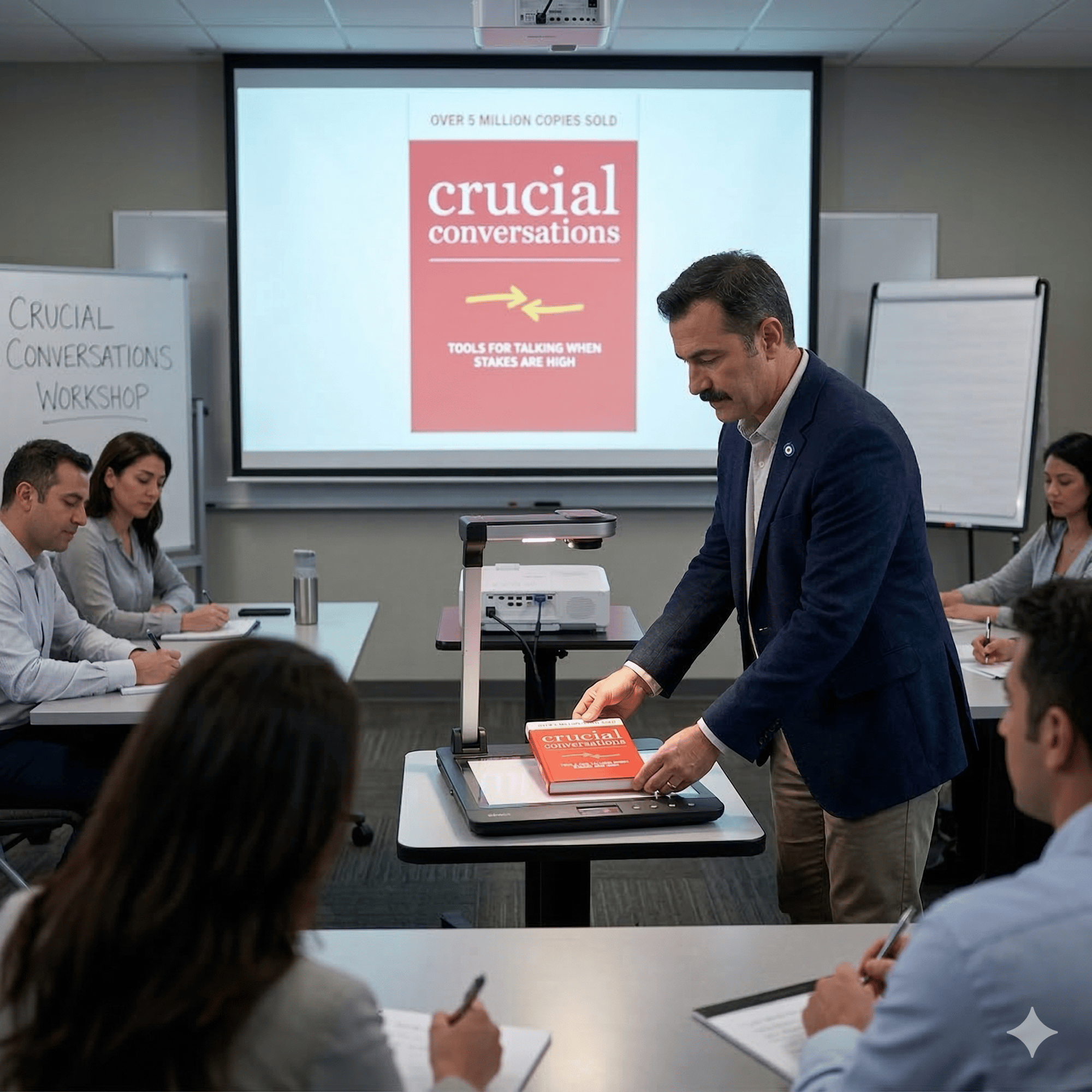
SOCIAL STYLE® (TRACOM)
complementary behavioral framework
 Complementary Training
Crucial Conversations®
managing difficult conversations effectively
 Complementary Training
RMP Certification Training
understanding motivational differences beyond style
Program Details

Everything DiSC® Workplace
Product Name
Wiley (WLY)
Partner
LERG-ASS-EDW2-WLY-URS-CHR-PER-ENG-087
SKU
LERG
Primary Challenge
LERG · EXG · LOWE · MOTG · PERC · LEC
Challenge
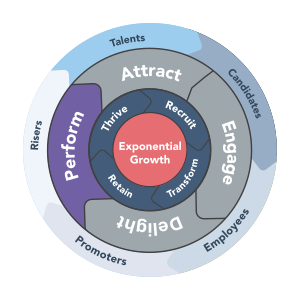
ENGAGE (ENG)
Flywheel
Performance (PER)
Responsibility Area
All Employees · Teams · HR Professionals
Target Audience
Min 8 - Max 16
Participants
Half Day
Duration
In-Person · Live Online · E-Learning
Delivery Format
TR / EN
Language Options
Pre-Assessment
Optional
Customization
Optional
Everything DiSC® Workplace Profile (Catalyst™)
Pre-Assessment Tool
Pre-Work
Available
Training Kit
Available
Gamification
Available
Certificate
Not Available
Awards
Available
Catalyst™ Platform (Real-time colleague profiles)
Additional Resources
Post-Training Reinforcement
Optional
ROI Measurement
Optional
DiSC Management · DiSC Sales · SOCIAL STYLE
Follow-Up Programs