






According to research from Duke University, more than 40% of our daily behaviors are not conscious decisions — they are habits.

DID YOU
KNOW?
40%
 Source: Duke University, Habit Research
Common Problems Many Organizations Face


Even high-potential employees are often unaware of the self-sabotaging habits that hold them back.
Even high-potential employees are often unaware of the self-sabotaging habits that hold them back.
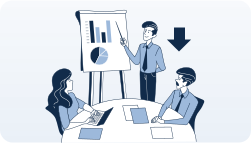
A new strategy, process, or system is introduced — yet teams eventually return to their old working habits.
A new strategy, process, or system is introduced — yet teams eventually return to their old working habits.



Organizational change initiatives are technically well designed, but they fail because human behavior is not taken into account.
Organizational change initiatives are technically well designed, but they fail because human behavior is not taken into account.
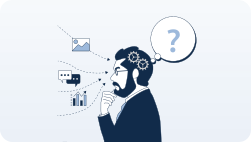
Leaders want behavioral change, but they lack a method to close the gap between wanting change and actually enabling it.
Leaders want behavioral change, but they lack a method to close the gap between wanting change and actually enabling it.
Even high-potential employees are often unaware of the self-sabotaging habits that hold them back.
A new strategy, process, or system is introduced — yet teams eventually return to their old working habits.
Organizational change initiatives are technically well designed, but they fail because human behavior is not taken into account.
Leaders want behavioral change, but they lack a method to close the gap between wanting change and actually enabling it.
The Hidden Costs Of These Problems

Performance Cost
HBR: 70% of change initiatives fail to achieve their goals

Cultural Cost
Gartner: Employees’ willingness to support change dropped from 74% to 43%

Strategic Cost
WTW: Organizations that effectively manage behavioral change achieve 264% higher revenue growth
If These Problems Continue
Example; If the habit of not implementing decisions made in meetings continues within organizations:
10 Days
Decisions made in meetings do not turn into action. At first, this does not seem to have a negative impact because everyone is busy and urgent tasks dominate the agenda — yet real progress does not occur. The phrase “We talked about this last week” begins to appear frequently.
10 Months
Meetings stop being decision-making platforms and turn into mechanisms for discussion and wasted time. No one believes decisions will actually be implemented. Accountability disappears. Even when leaders apply pressure, it has little effect.
10 Years
The organization becomes one that makes decisions but fails to implement them. Strategic plans remain on paper. The most talented employees leave, saying “nothing changes here.” The company loses its competitive advantage — and by the time this is realized, it is already too late.
What Competency Is Required To Solve This?

Habit Change Capability
The ability for individuals to recognize habits that reduce performance, replace them with new routines through skill rather than willpower, and make those changes sustainable.
What Is This Program?
Power of Habit® is a Crucial Learning program based on Charles Duhigg’s New York Times bestselling book and the latest research in the science of habits.
The program is built on a key insight: Habits are the strongest predictor of long-term outcomes — more powerful than talent, intelligence, luck, or decision-making. Most people know this, but they struggle to control their habits. Power of Habit® closes this gap not with willpower, but with skill.
Participants learn; When they need to change, Which behaviors need to change, How to make desired behaviors sustainable over time

Nearly half
of the Forbes Global 2000
93 %
client recommendation rate
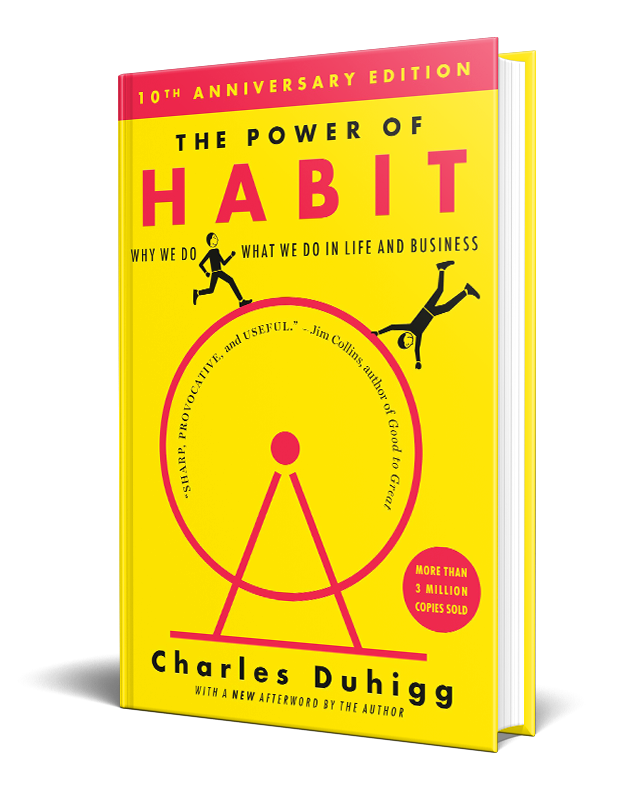
 NYT Bestseller
Learning Outcomes

Enables Behavioral Change
Participants align their behaviors with organizational goals and values by changing their habits.
Increases Agility
Teams adapt more quickly to ongoing changes such as new projects, processes, and tools.
Reinforces Learning
POH skills increase the sustainability and impact of all other training initiatives within the organization.
Who Is It For?
 This program is ideal for:
Organizations, leaders, and employees who want to understand how habit change and management work
Individuals who know they need to change but struggle due to entrenched habits
Teams that have difficulty implementing new strategies and processes
Employees who struggle to translate training into real behavioral change
 This program is not suitable for:
Companies that select training based on trends or popularity
Organizations that see habit change training as a one-time event
Those primarily seeking to address technical skill gaps
Organizations looking for a short-term motivational boost rather than lasting change
 Urgent
Why Now?
Your organization likely has habits you want to change.
However, habits do not change through willpower — they change through skill.
Customer Voice

“This program equips people with the framework and skills needed to turn all other learning and training into action.”
— Training Participant
Related Solutions


Program Details

RESC-PTP-POH-CL-LCH-CHR-PER-PER-087
SKU
Power of Habit®
Program Name
Crucial Learning
Partner
RESC
Primary Challenge
MOTG · PERC · LERG · LOWE · EXG
Secondary Challenges
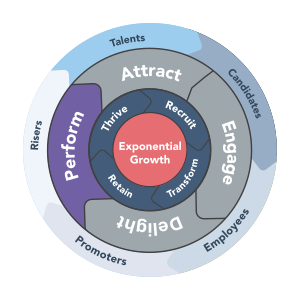
PERFORM
Flywheel Stage
All Employees
Target Audience
Min 8 — Max 16
Participants
1 Day
Duration
In-Person · Live Online · E-Learning (English)
Delivery Format
TR / EN
Language
Pre-Assessment
Optional
Customization
Optional
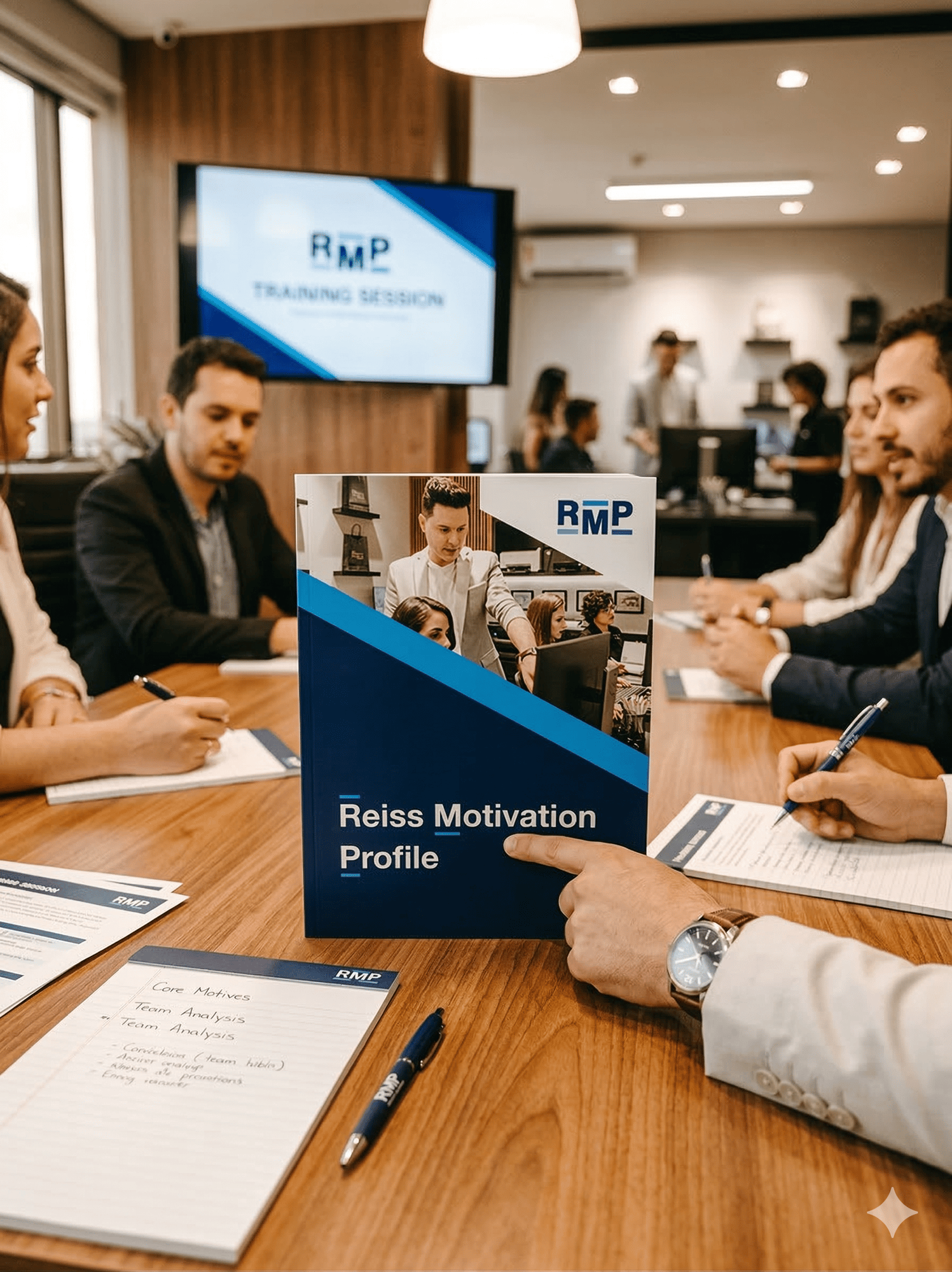
Inventory (RMP)
Optional
Crucial Skill Insights: Habit Change Score
Pre-Work
Training Kit
Available
Gamification
Available
Certificate / Awards
Available
Additional Resources
Available
Post-Training Reinforcement
Optional
ROI Measurement
Optional
Getting Things Done® · Crucial Conversations®
Follow-Up Programs