






Turning Young Talent
into RISERS
"The competitive advantage is no longer about hiring the best talent, but about developing it faster than your competitors."
For years, companies have driven growth by hiring the right people. But the game has changed. Hiring of recent graduates at major tech companies has dropped by more than 50% compared to pre-pandemic levels, and 37% of managers prefer to use AI instead of young employees for some entry-level roles. So, as everyone closes the door to new hires, who will develop the leaders of tomorrow? In the age of AI, the true talent strategy has shifted: it’s no longer about finding talent—it’s about building it.
Overview
 Persona
 Project Duration
 Min. Consulting Days
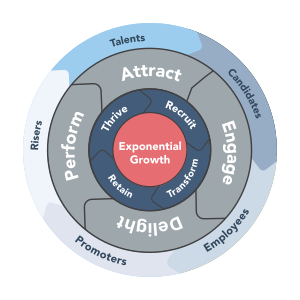
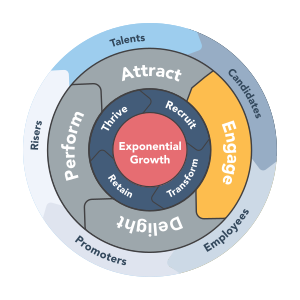
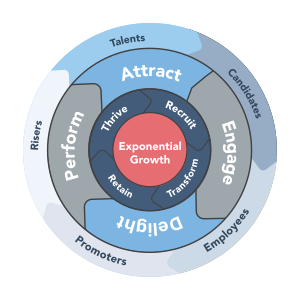
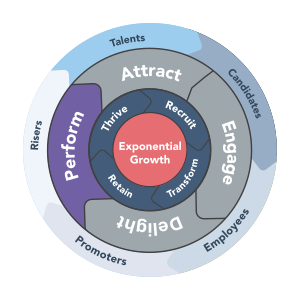
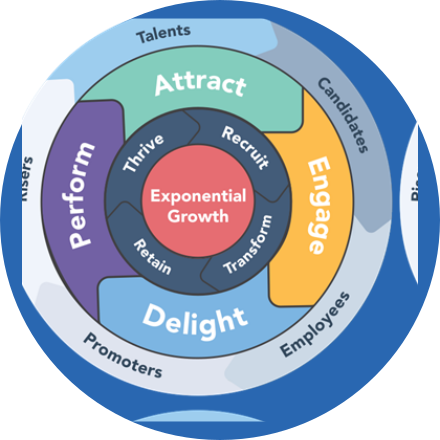
 Flywheel
 Partner

What Is It?
“Turning Young Talent into RISERS” is a consulting initiative that reimagines companies’ young talent strategies in light of the realities of the AI era. It provides an end-to-end analysis of how an organization recruits, develops, guides, evaluates, and prepares its young talent for critical future roles; a sustainable talent development system is designed.
This initiative does not aim to create a single training program. The goal is to shift the development of young talent away from relying on individual effort and transform it into an organizational framework supported by managers, learning experiences, AI tools, and performance systems.
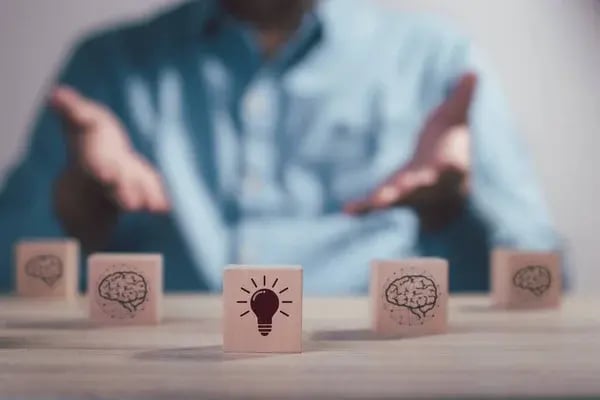
The leaders of the future are shaped not by training programs, but by well-designed systems.

SWOT — Typical Organizational Profile
This is the typical profile of organizations that have a defined competency framework but fail to translate it into measurable business outcomes.
STRENGTHS
 The organization is hiring young talent; there is a steady stream of candidates.
Senior management recognizes the importance of developing future leaders from within.
The onboarding, training, and basic development infrastructure have been largely established.
Experienced leaders and experts possess the knowledge and expertise to support development.
The organization is hiring young talent; there is a steady stream of candidates.
Senior management recognizes the importance of developing future leaders from within.
The onboarding, training, and basic development infrastructure have been largely established.
Experienced leaders and experts possess the knowledge and expertise to support development.
WEAKNESSES
 The development of young talent depends on managers' individual approaches rather than a unified system.
The development process in the early years is not standardized; the learning experience varies from team to team.
High-potential employees cannot be systematically identified at an early stage.
AI and new learning technologies have not been integrated into the development of young talent.
We are unable to develop talent from within for the critical roles that will be needed in the future.
The development of young talent depends on managers' individual approaches rather than a unified system.
The development process in the early years is not standardized; the learning experience varies from team to team.
High-potential employees cannot be systematically identified at an early stage.
AI and new learning technologies have not been integrated into the development of young talent.
We are unable to develop talent from within for the critical roles that will be needed in the future.
OPPORTUNITIES
 AI-powered personalized development makes it possible to develop young talent more quickly.
Organizations that develop talent from within reduce hiring costs and the risk associated with critical roles.
A strong professional development experience enhances the employer brand and increases retention of young talent.
Companies that invest in early-career development are securing the leaders of the future before their competitors do.
AI-powered personalized development makes it possible to develop young talent more quickly.
Organizations that develop talent from within reduce hiring costs and the risk associated with critical roles.
A strong professional development experience enhances the employer brand and increases retention of young talent.
Companies that invest in early-career development are securing the leaders of the future before their competitors do.
THREATS
 Artificial intelligence is rapidly transforming the nature of entry-level roles; organizations that fail to adapt are falling behind.
Young talents with the highest potential are gravitating toward organizations that offer opportunities for growth.
Filling critical skill gaps by hiring from outside the company is becoming more costly and difficult every year.
As competitors systematize their development, the leadership pipeline of unprepared organizations is weakening.
Artificial intelligence is rapidly transforming the nature of entry-level roles; organizations that fail to adapt are falling behind.
Young talents with the highest potential are gravitating toward organizations that offer opportunities for growth.
Filling critical skill gaps by hiring from outside the company is becoming more costly and difficult every year.
As competitors systematize their development, the leadership pipeline of unprepared organizations is weakening.
Who It's For / Who It's Not For
 Organizations that hire young talent but lack a systematic development model to turn them into future leaders.
Companies that are forced to fill their critical positions through external hiring on an ongoing basis and want to strengthen their capacity to develop talent internally.
Organizations that have decided to start building the critical leadership and expertise roles they will need in the future, starting today.
Leadership teams looking to integrate AI-powered learning and development models into the young talent development process.
Organizations that want to move the development of young talent away from a manager-driven approach and transform it into an institutional system.
Organizations that hire young talent but lack a systematic development model to turn them into future leaders.
Companies that are forced to fill their critical positions through external hiring on an ongoing basis and want to strengthen their capacity to develop talent internally.
Organizations that have decided to start building the critical leadership and expertise roles they will need in the future, starting today.
Leadership teams looking to integrate AI-powered learning and development models into the young talent development process.
Organizations that want to move the development of young talent away from a manager-driven approach and transform it into an institutional system.
 Organizations that believe they can address the development of young talent through one-time training sessions.
Structures that attribute the problem of young talent to a generational gap but do not question the organizational system.
Organizations that rely solely on HR to take ownership of initiatives without sponsorship from top management.
Companies that keep postponing this investment or act with the expectation of short-term results.
Organizations with fewer than 50 employees that do not yet require a systematic talent development infrastructure.
Organizations that believe they can address the development of young talent through one-time training sessions.
Structures that attribute the problem of young talent to a generational gap but do not question the organizational system.
Organizations that rely solely on HR to take ownership of initiatives without sponsorship from top management.
Companies that keep postponing this investment or act with the expectation of short-term results.
Organizations with fewer than 50 employees that do not yet require a systematic talent development infrastructure.
What Do You Gain?
Upon completion of the consulting engagement, your organization will have the following organizational capabilities and systems:
Young Talent Development Operating System
High-Potential Identification Model
Career & Acceleration Framework
Future Leadership Pipeline
Manager's Playbook
The Numbers
The evidence points in the same direction; developing talent from within is both cheaper and more sustainable than looking for it outside the organization.

2 stories

$35,879
76%
Value Timeline
Analyze
Design
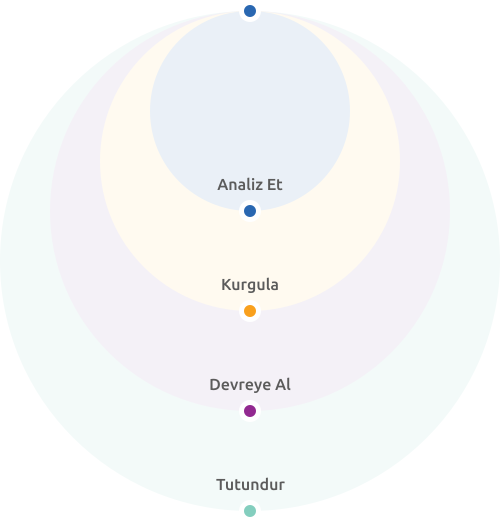
Deploy
Sustain
Working Model




Understand the Current Situation
Design the system
Implement
Understand the Current Situation
Design the system
Implement
How We Work

Integrated Ecosystem
This project is not carried out as a single consulting project; rather, it is implemented as an integrated system in which assessment, consulting, development solutions, and the necessary technology components work together. This allows us to proceed using a single working model rather than relying on multiple vendors.

Weekly Rhythm
Throughout the project, regular check-ins, progress reviews, and obstacle-resolution sessions are held. The development of young talent, managerial practices, and project milestones are tracked weekly; necessary improvements are implemented without delay.

Knowledge Transfer
The knowledge, tools, and work standards developed at the end of each phase are systematically transferred to your team. The goal is not merely to complete the project, but to build the organizational capacity to sustain the system without consulting support. Depending on your needs, the RISER community can also be integrated into the process as part of this ecosystem.
Common Objections


"We can't find young talent of the quality we're looking for in the market."
 Answer
"We invest in young talent, and then they leave. Why should we invest?"
Answer
"We already have our own training and development programs."
Answer
"We bring in experienced people from outside when needed."
Answer
"It's not possible to get the same level of productivity from this younger generation as from older employees."
Answer
"With AI, there's no longer a need to invest in entry-level roles."
Answer

Our Approach

Building is better than finding.

The system is stronger than dependence on any individual.

AI is not an alternative to young talent—it is an accelerator.
Prerequisites for Success
This consulting service produces lasting results only when the following conditions are met. We will evaluate each one together before we begin.

Senior Management Must Take Ownership

Managers Should Take on the Role of Developers

Critical Roles Should Be Prioritized

It Should Be Part of the AI Development Process
Related Solutions


 PTP
PTP
HiPo (High Potential) Talent Management
An executive program focused on identifying, accelerating, and retaining high-potential young talent.
 ENA
ENA
Career Pathway Enablement
An enablement solution that institutionally supports young talent’s career paths and role transitions, keeping the system dynamic.
Overview
Overview
 Target Persona
 Project Duration
 Min. Advisory Day
 Language
What's Included in the Service
-
 Face-to-FaceRecommended
 -
Live Remote
-
Hybrid
-
Preliminary AnalysisYouth Talent Development Data
-
 EvaluationRMPOptional
 -
Project Management PlatformIncluded
-
Manager/Sponsor MeetingIncluded
-
ReportingIncluded
-
Application SupportIncluded
-
WorkshopExists
-
MicrolearningOptional
-
E-LearningOptional
-
FlywheelDEL
 Recommended Training
RMP Motivation Training - Who Am I?