




Only 13% of employees say they have a strong connection between their work and their personal sense of purpose.
 We’re building a better experience for you. Parts of the site are still in development.


 AI Adoption
 Artificial Intelligence Transformation from A to Z
Fear of Losing One's Job
Employee Skepticism Toward AI
Resistance to AI Change
AI Hype and FOMO Traps
Unrealistic AI Expectations
Data Quality and Accessibility
AI Integration into Legacy Systems
ROI in AI Projects
The Challenge of Scaling AI
Lack of Awareness About AI
Failed AI Training Programs
Ethics and Compliance Challenges in AI
The Fallacy of Linear Thinking
The Human Element in Change
The Talent Gap in AI Adaptation
Non-Expert AI Consultants
Artificial Intelligence Transformation from A to Z
Fear of Losing One's Job
Employee Skepticism Toward AI
Resistance to AI Change
AI Hype and FOMO Traps
Unrealistic AI Expectations
Data Quality and Accessibility
AI Integration into Legacy Systems
ROI in AI Projects
The Challenge of Scaling AI
Lack of Awareness About AI
Failed AI Training Programs
Ethics and Compliance Challenges in AI
The Fallacy of Linear Thinking
The Human Element in Change
The Talent Gap in AI Adaptation
Non-Expert AI Consultants
 Leadership Crisis
 from A to Z
Leadership Capacity Gaps
Lack of Influence
Generational Friction
Skepticism Toward Training Investments
Neglect of Self-Development
Ineffective Communication
Coaching Capability Gap
Decision-Making Paralysis
Vision Misalignment
Delegation Deficiency
Empathy Deficiency
Digital Resistance
Managerial Squeeze
Incompetent CEO
Leadership Crisis
Leadership Crisis from A to Z
Leadership Capacity Gaps
Lack of Influence
Generational Friction
Skepticism Toward Training Investments
Neglect of Self-Development
Ineffective Communication
Coaching Capability Gap
Decision-Making Paralysis
Vision Misalignment
Delegation Deficiency
Empathy Deficiency
Digital Resistance
Managerial Squeeze
Incompetent CEO
 Low Engagement
 Talent Shortage
 from A to Z
Instinct-Based Recruitment
High Employee Turnover
Talent Pipeline Shortages
Difficulty Attracting Top Talent
Lack of Qualified Applicants
Weak Employer Branding
Ineffective Hiring Process
Role Ambiguity
Poor Candidate Experience
Broken Onboarding Process
Lengthy and Ineffective Enablement
Lack of Recruitment Technology
Misaligned Expectations Between HR and Hiring Managers
Global Talent Acquisition Complexities
Long Time to Hire
Retention Problems
Talent Scarcity
Succession Planning Gaps
Internal Mobility Issues
Generational Diversity
Talent Shortage
Talent Shortage from A to Z
Instinct-Based Recruitment
High Employee Turnover
Talent Pipeline Shortages
Difficulty Attracting Top Talent
Lack of Qualified Applicants
Weak Employer Branding
Ineffective Hiring Process
Role Ambiguity
Poor Candidate Experience
Broken Onboarding Process
Lengthy and Ineffective Enablement
Lack of Recruitment Technology
Misaligned Expectations Between HR and Hiring Managers
Global Talent Acquisition Complexities
Long Time to Hire
Retention Problems
Talent Scarcity
Succession Planning Gaps
Internal Mobility Issues
Generational Diversity
 Motivation Gaps
 Performance Challenges
 from A to Z
Employee Disengagement
Motivation Deficit
Recognition Gaps
Wellbeing Neglect
Low Psychological Safety
Crucial Skill Gaps
Communication Gaps
Accountability Issues
Career Limiting Habits
Productivity Drain
Team Dysfunction
Lack of Collaboration
Broken Performance Systems
Feedback Deficiency
Stalled Career Progression
Negative Attitude
Performance Challenges
Performance Challenges from A to Z
Employee Disengagement
Motivation Deficit
Recognition Gaps
Wellbeing Neglect
Low Psychological Safety
Crucial Skill Gaps
Communication Gaps
Accountability Issues
Career Limiting Habits
Productivity Drain
Team Dysfunction
Lack of Collaboration
Broken Performance Systems
Feedback Deficiency
Stalled Career Progression
Negative Attitude
 EX Gaps
 Resistance to Change
 Learning Gaps
 from A to Z
Training Mismatch
Lack of Leadership Buy-In
Identifying Skill Gaps
Lack of Trust in Training Programs
Tight L&D Budgets
Lack of Learning Culture
Identifying Skill Gaps
Content Creation Bottleneck
Localization & Accessibility
Inflexible Learning Formats
Training Scalability
Training Effectiveness
Training ROI
Lack of Behavioral Change
Training Reinforcement
Trainee Satisfaction
Operational Burden on L&D Teams
Training Duration & Productivity Loss
Learning Fatigue
Trainee Disengagement
Learning Gaps
Learning Gaps from A to Z
Training Mismatch
Lack of Leadership Buy-In
Identifying Skill Gaps
Lack of Trust in Training Programs
Tight L&D Budgets
Lack of Learning Culture
Identifying Skill Gaps
Content Creation Bottleneck
Localization & Accessibility
Inflexible Learning Formats
Training Scalability
Training Effectiveness
Training ROI
Lack of Behavioral Change
Training Reinforcement
Trainee Satisfaction
Operational Burden on L&D Teams
Training Duration & Productivity Loss
Learning Fatigue
Trainee Disengagement
 Inefficient Sales & Marketing
 CX Gaps
 Growth Challenges
 Inefficient HR Processes
 Strategy Gaps
 from A to Z
Future Readiness Gap
Organizational Uncertainty
Organizational Silos
Stakeholder Misalignment
Misaligned Communication
Resistance to Change
AI Adaptation Gap
Cultural Misalignment
Cultural Misalignment
Scalable Growth Challenges
Leadership Shortage
Lack of Agility
Lack of Innovation Culture
Marketing Strategy Deficiency
Sales Organization Gaps
Broken Customer Experience
Co-Founder Conflict
Strategy Gaps
Strategy Gaps from A to Z
Future Readiness Gap
Organizational Uncertainty
Organizational Silos
Stakeholder Misalignment
Misaligned Communication
Resistance to Change
AI Adaptation Gap
Cultural Misalignment
Cultural Misalignment
Scalable Growth Challenges
Leadership Shortage
Lack of Agility
Lack of Innovation Culture
Marketing Strategy Deficiency
Sales Organization Gaps
Broken Customer Experience
Co-Founder Conflict
 Strategy to Execution
 Leading Change / Big Shift
 Employee Engagement
Team Motivation
Performance Enablement
Next Generation Leadership
Finding Right Talents
Competency Development
Digital HR
AI in the Workplace
Exponential Growth
Sales & Marketing Transformation
Workflow Improvement
EX Design
CX Design
Employee Engagement
Team Motivation
Performance Enablement
Next Generation Leadership
Finding Right Talents
Competency Development
Digital HR
AI in the Workplace
Exponential Growth
Sales & Marketing Transformation
Workflow Improvement
EX Design
CX Design
 By Business Size
 By Solution Category
All Categories
Assessment & Evaluation
Consultancy
Capability Building Studio™
Premium Training Programs
Leadership Coaching
Digital Learning Programs
Capability Reinforcement
Practice & Simulation
AI & Capability Technologies
Implementation
Next-Generation Hiring
Employee Onboarding
Workforce Enablement
Outsource & Staffing
Speakers
By Solution Category
All Categories
Assessment & Evaluation
Consultancy
Capability Building Studio™
Premium Training Programs
Leadership Coaching
Digital Learning Programs
Capability Reinforcement
Practice & Simulation
AI & Capability Technologies
Implementation
Next-Generation Hiring
Employee Onboarding
Workforce Enablement
Outsource & Staffing
Speakers
 AI Adoption
Artificial Intelligence Transformation from A to Z
Fear of Losing One's Job
Employee Skepticism Toward AI
Resistance to AI Change
AI Hype and FOMO Traps
Unrealistic AI Expectations
Data Quality and Accessibility
AI Integration into Legacy Systems
ROI in AI Projects
The Challenge of Scaling AI
Lack of Awareness About AI
Failed AI Training Programs
Ethics and Compliance Challenges in AI
The Fallacy of Linear Thinking
The Human Element in Change
The Talent Gap in AI Adaptation
Non-Expert AI Consultants
Leadership Crisis
Leadership Crisis from A to Z
Leadership Capacity Gaps
Lack of Influence
Generational Friction
Skepticism Toward Training Investments
Neglect of Self-Development
Ineffective Communication
Coaching Capability Gap
Decision-Making Paralysis
Vision Misalignment
Delegation Deficiency
Empathy Deficiency
Digital Resistance
Managerial Squeeze
Incompetent CEO
Low Engagement
Talent Shortage
Talent Shortage from A to Z
Instinct-Based Recruitment
High Employee Turnover
Talent Pipeline Shortages
Difficulty Attracting Top Talent
Lack of Qualified Applicants
Weak Employer Branding
Ineffective Hiring Process
Role Ambiguity
Poor Candidate Experience
Broken Onboarding Process
Lengthy and Ineffective Enablement
Lack of Recruitment Technology
Misaligned Expectations Between HR and Hiring Managers
Global Talent Acquisition Complexities
Long Time to Hire
Retention Problems
Talent Scarcity
Succession Planning Gaps
Internal Mobility Issues
Generational Diversity
Motivation Gaps
Performance Challenges
Performance Challenges from A to Z
Employee Disengagement
Motivation Deficit
Recognition Gaps
Wellbeing Neglect
Low Psychological Safety
Crucial Skill Gaps
Communication Gaps
Accountability Issues
Career Limiting Habits
Productivity Drain
Team Dysfunction
Lack of Collaboration
Broken Performance Systems
Feedback Deficiency
Stalled Career Progression
Negative Attitude
EX Gaps
Resistance to Change
Learning Gaps
Learning Gaps from A to Z
Training Mismatch
Lack of Leadership Buy-In
Identifying Skill Gaps
Lack of Trust in Training Programs
Tight L&D Budgets
Lack of Learning Culture
Identifying Skill Gaps
Content Creation Bottleneck
Localization & Accessibility
Inflexible Learning Formats
Training Scalability
Training Effectiveness
Training ROI
Lack of Behavioral Change
Training Reinforcement
Trainee Satisfaction
Operational Burden on L&D Teams
Training Duration & Productivity Loss
Learning Fatigue
Trainee Disengagement
Inefficient Sales & Marketing
CX Gaps
Growth Challenges
Inefficient HR Processes
Strategy Gaps
Strategy Gaps from A to Z
Future Readiness Gap
Organizational Uncertainty
Organizational Silos
Stakeholder Misalignment
Misaligned Communication
Resistance to Change
AI Adaptation Gap
Cultural Misalignment
Cultural Misalignment
Scalable Growth Challenges
Leadership Shortage
Lack of Agility
Lack of Innovation Culture
Marketing Strategy Deficiency
Sales Organization Gaps
Broken Customer Experience
Co-Founder Conflict
Strategy to Execution
Leading Change / Big Shift
Employee Engagement
Team Motivation
Performance Enablement
Next Generation Leadership
Finding Right Talents
Competency Development
Digital HR
AI in the Workplace
Exponential Growth
Sales & Marketing Transformation
Workflow Improvement
EX Design
CX Design
By Business Size
AI Adoption
Artificial Intelligence Transformation from A to Z
Fear of Losing One's Job
Employee Skepticism Toward AI
Resistance to AI Change
AI Hype and FOMO Traps
Unrealistic AI Expectations
Data Quality and Accessibility
AI Integration into Legacy Systems
ROI in AI Projects
The Challenge of Scaling AI
Lack of Awareness About AI
Failed AI Training Programs
Ethics and Compliance Challenges in AI
The Fallacy of Linear Thinking
The Human Element in Change
The Talent Gap in AI Adaptation
Non-Expert AI Consultants
Leadership Crisis
Leadership Crisis from A to Z
Leadership Capacity Gaps
Lack of Influence
Generational Friction
Skepticism Toward Training Investments
Neglect of Self-Development
Ineffective Communication
Coaching Capability Gap
Decision-Making Paralysis
Vision Misalignment
Delegation Deficiency
Empathy Deficiency
Digital Resistance
Managerial Squeeze
Incompetent CEO
Low Engagement
Talent Shortage
Talent Shortage from A to Z
Instinct-Based Recruitment
High Employee Turnover
Talent Pipeline Shortages
Difficulty Attracting Top Talent
Lack of Qualified Applicants
Weak Employer Branding
Ineffective Hiring Process
Role Ambiguity
Poor Candidate Experience
Broken Onboarding Process
Lengthy and Ineffective Enablement
Lack of Recruitment Technology
Misaligned Expectations Between HR and Hiring Managers
Global Talent Acquisition Complexities
Long Time to Hire
Retention Problems
Talent Scarcity
Succession Planning Gaps
Internal Mobility Issues
Generational Diversity
Motivation Gaps
Performance Challenges
Performance Challenges from A to Z
Employee Disengagement
Motivation Deficit
Recognition Gaps
Wellbeing Neglect
Low Psychological Safety
Crucial Skill Gaps
Communication Gaps
Accountability Issues
Career Limiting Habits
Productivity Drain
Team Dysfunction
Lack of Collaboration
Broken Performance Systems
Feedback Deficiency
Stalled Career Progression
Negative Attitude
EX Gaps
Resistance to Change
Learning Gaps
Learning Gaps from A to Z
Training Mismatch
Lack of Leadership Buy-In
Identifying Skill Gaps
Lack of Trust in Training Programs
Tight L&D Budgets
Lack of Learning Culture
Identifying Skill Gaps
Content Creation Bottleneck
Localization & Accessibility
Inflexible Learning Formats
Training Scalability
Training Effectiveness
Training ROI
Lack of Behavioral Change
Training Reinforcement
Trainee Satisfaction
Operational Burden on L&D Teams
Training Duration & Productivity Loss
Learning Fatigue
Trainee Disengagement
Inefficient Sales & Marketing
CX Gaps
Growth Challenges
Inefficient HR Processes
Strategy Gaps
Strategy Gaps from A to Z
Future Readiness Gap
Organizational Uncertainty
Organizational Silos
Stakeholder Misalignment
Misaligned Communication
Resistance to Change
AI Adaptation Gap
Cultural Misalignment
Cultural Misalignment
Scalable Growth Challenges
Leadership Shortage
Lack of Agility
Lack of Innovation Culture
Marketing Strategy Deficiency
Sales Organization Gaps
Broken Customer Experience
Co-Founder Conflict
Strategy to Execution
Leading Change / Big Shift
Employee Engagement
Team Motivation
Performance Enablement
Next Generation Leadership
Finding Right Talents
Competency Development
Digital HR
AI in the Workplace
Exponential Growth
Sales & Marketing Transformation
Workflow Improvement
EX Design
CX Design
By Business Size
 By Role
 By Team
By Solution Category
All Categories
Assessment & Evaluation
Consultancy
Capability Building Studio™
Premium Training Programs
Leadership Coaching
Digital Learning Programs
Capability Reinforcement
Practice & Simulation
AI & Capability Technologies
Implementation
Next-Generation Hiring
Employee Onboarding
Workforce Enablement
Outsource & Staffing
Speakers
By Team
By Solution Category
All Categories
Assessment & Evaluation
Consultancy
Capability Building Studio™
Premium Training Programs
Leadership Coaching
Digital Learning Programs
Capability Reinforcement
Practice & Simulation
AI & Capability Technologies
Implementation
Next-Generation Hiring
Employee Onboarding
Workforce Enablement
Outsource & Staffing
Speakers

KNOW?
Only 13% of employees say they have a strong connection between their work and their personal sense of purpose.
 Gallup, The Power of Purpose (2026)




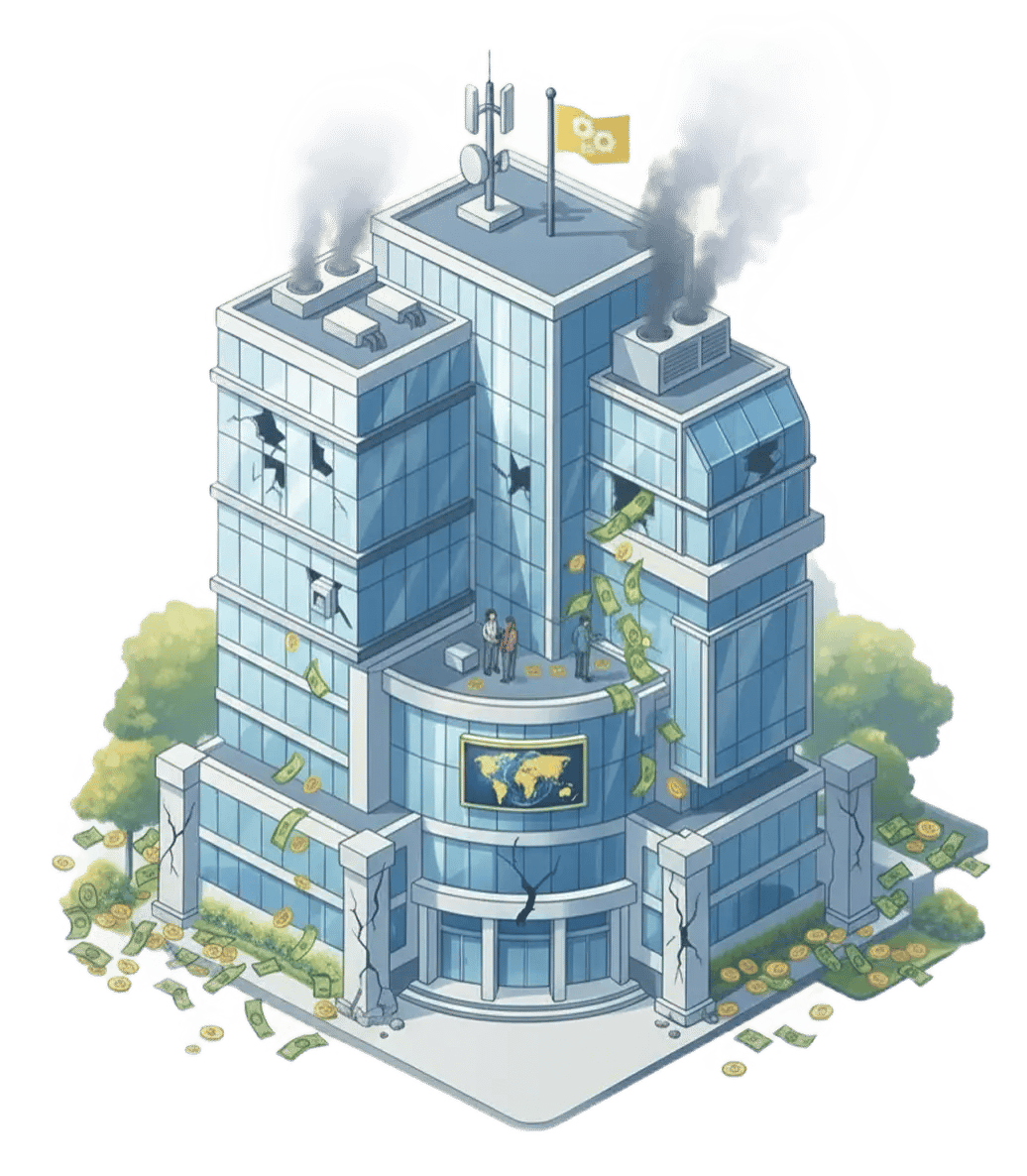




Challenges

Employees simply complete assigned tasks. When employees cannot establish a meaningful connection with their work, they meet expectations—but rarely take initiative, generate new ideas, or make discretionary contributions. As a result, organizations fail to unlock the full potential of their people in day-to-day operations.

Purpose gradually disappears from the organizational culture. Over time, employees stop asking why their work matters. Work becomes little more than a checklist of tasks rather than a meaningful contribution toward a shared purpose. Engagement becomes dependent on individual effort instead of being reinforced by the organizational culture.

The organization loses the human energy that creates competitive advantage. Teams with a strong sense of purpose demonstrate higher engagement, greater innovation, and stronger ownership. Without this connection, organizations fail to fully leverage their most valuable resource for accelerating growth—their people.


No one notices.
The work gets done and tasks are completed. Employees fulfill their responsibilities, but the connection between what they do and why they do it becomes a little weaker each day. At this stage, the disconnect remains largely invisible.
Ownership quietly begins to disappear.
People continue doing their jobs, but their willingness to take ownership, anticipate risks, pay attention to detail, and make discretionary contributions gradually declines. Each issue may seem minor on its own, but over time they accumulate, diminishing the experience of employees, customers, and business partners alike.
This behavior becomes the organization's way of working.
Doing only what is required becomes the norm. Ownership becomes the exception, while minimum effort becomes the standard. New employees quickly adopt this culture, and the organization quietly begins to lose one of its greatest competitive advantages.
Employee engagement cannot be strengthened simply by introducing new initiatives or expanding employee benefits. Organizations must intentionally design experiences that enable employees to build a meaningful connection with the work they do.
This challenge cannot be solved through a single training program or a single leadership behavior. However, no organization can achieve sustainable employee engagement without intentionally creating the psychological conditions that make engagement possible.

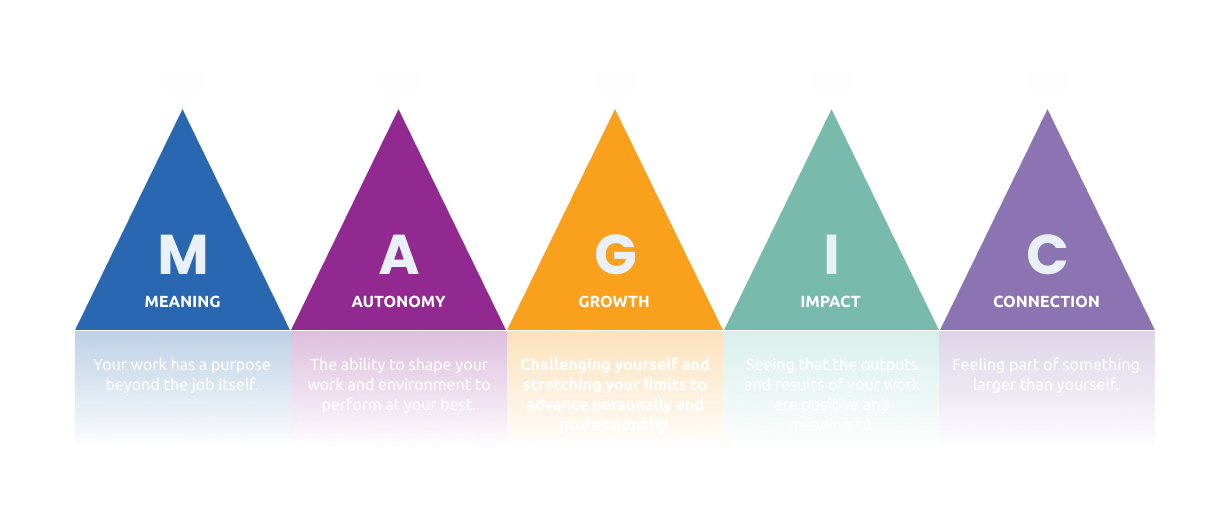
This requires designing an environment where people can find meaning in their work, have a voice in decisions that affect them, see opportunities for growth, recognize the impact they create, and build strong connections with the community they belong to.
Employee engagement is the natural outcome of an intentionally designed organizational experience.
Employee engagement is not something that can be forced—it is a natural outcome that emerges when the right conditions are in place. What truly connects employees to their work is not salary, job title, or workplace perks. While these factors may increase satisfaction, satisfaction is not the same as engagement. Genuine engagement develops when employees establish a meaningful relationship with their work and the right psychological conditions support that connection.
ENGAGEMENT MAGIC® Training addresses exactly this challenge. It transforms employee engagement from a slogan or campaign into a systematic organizational capability. Rather than treating engagement as just another metric to be measured, it equips organizations to intentionally create the conditions that foster lasting engagement.
ENGAGEMENT MAGIC® makes the five psychological conditions that enable employee engagement visible and teaches organizations how to cultivate and strengthen each of them.
ENGAGEMENT MAGIC® makes the five psychological conditions that enable employee engagement visible and teaches participants how to strengthen each one:
 Capability
 Description

 A Good Fit For
 Not a Good Fit For
 Urgent

.jpg?width=1024&height=572&name=unnamed%20(19).jpg) Assessment
Assessment
Provides in-depth insights into why employees stay and what factors strengthen their engagement and commitment.
 Training
The leadership version of the same methodology, designed to strengthen managers' ability to build and sustain engagement within their teams.
Consultancy
Approaches engagement as an end-to-end organizational transformation, delivering a systemic solution that extends beyond training.
Consultancy
Designs and implements an organizational motivation framework that systematically strengthens employee engagement.
 Target Audience
Duration
Target Audience
Duration

.png?width=1184&height=864&name=Gemini_Generated_Image_dfgvqfdfgvqfdfgv%20(1).png)